FAQ  HubungiMaklumbalas  Peta Laman

Resolution Of The Perlis State Fatwa Committee Concerning The Management Of Mosques Following The Spread Of The Covid-19 Outbreak, Effective 16 March 2020


THE 46TH MEETING OF THE PERLIS STATE FATWA COMMITTEE / 2020

17 JUNE 2020 / 25 SYAWAL 1441

CONFIRMATION

(Circular Paper Dated 16 March 2020)


RESOLUTION OF THE PERLIS STATE FATWA COMMITTEE CONCERNING THE MANAGEMENT OF MOSQUES FOLLOWING THE SPREAD OF THE COVID-19 OUTBREAK, EFFECTIVE 16 MARCH 2020


Having received the views and advice of the Ministry of Health Malaysia regarding the current developments of COVID-19 as at 15 March 2020, the Perlis State Fatwa Committee agreed on the following resolutions concerning the management of mosques:


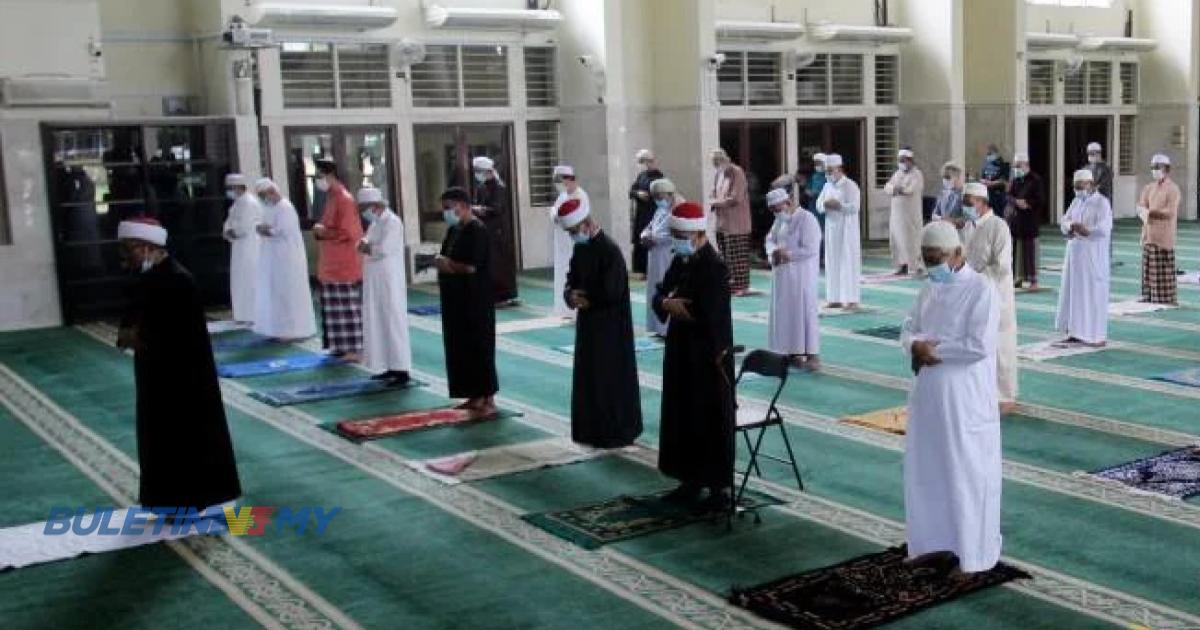
1. It is agreed that all congregational activities at mosques, including congregational prayer and Friday prayer, be temporarily suspended. Muslims are called upon to perform congregational prayer at home for a period of 14 days, commencing from the Maghrib prayer time on 16 March 2020 until the Isyak prayer time on 29 March 2020.


2. The call to prayer (azan) will continue to be given at mosques, with the phrase hay'alatain (حى على الصلاة، حى على الفلاح — "Come to prayer, come to success") replaced with the phrase صَلُّوْا فِيْ بُيُوْتِكُمْ ("Pray in your homes"), based on the narrations of al-Bukhari (668) and Muslim (699) from Ibn 'Abbas (May Allah Be Pleased With Him). This is one of the permissible views, as stated by Imam al-Nawawi (May Allah Have Mercy On Him) in his work Sharh Sahih Muslim, 5/207.

The wording of the azan to be recited is as follows:


الله أكبر، الله أكبر، الله أكبر، الله أكبر

أشهد أن لا إله إلا الله، أشهد أن لا إله إلا الله

أشهد أن محمدًا رسولُ الله، أشهد أن محمدًا رسولُ الله

صَلُّوْا فِيْ بُيُوْتِكُمْ، صَلُّوْا فِيْ بُيُوْتِكُمْ

الله أكبر، الله أكبر

لا إله إلا الله


3. Only the appointed mosque officers—namely, one imam, one bilāl (caller to prayer), and one mosque caretaker—may attend the congregational prayer, after their cleanliness and health have been duly ensured and subject to the following requirements:

a) Attend the mosque only when the azan is called. Only the muazzin need arrive earlier, for the purpose of giving the call to prayer;

b) Minimise the duration of their presence at the mosque;

c) Perform ablution (wudhu') at home;

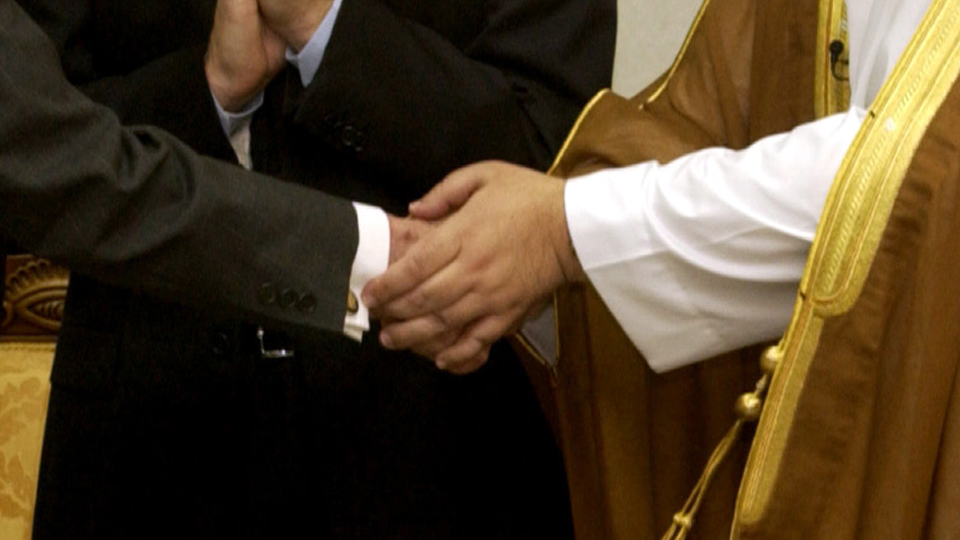
d) Refrain from shaking hands;

e) Bring their own prayer mat;

f) Ensure they are genuinely clean and in good health before attending the mosque.


4. Mosques shall carry out cleaning, sanitisation, and disinfection procedures throughout the prescribed fourteen-day period. Such measures shall, moreover, be carried out after every prayer by the mosque officers or mosque committee members on duty.


5. All mosque activities, whether classes, lectures, or religious study sessions, are to be suspended for the 14-day period. Online instruction may be considered as an alternative to be conducted from home.


6. All members of the public are advised to avoid any matters or activities that may contribute to the spread of the said COVID-19 outbreak.

 

The Ruling On Waqf Irṣād Using The Actual Surplus Of The ʿāmilīn Share Or Baitul Mal Allocation

THE 78TH MEETING OF THE PERLIS STATE FATWA COMMITTEE / 2026

9 - 10 FEBRUARY 2026 / 21 - 22 SYAABAN 1447H


THE RULING ON WAQF IRṢĀD USING THE ACTUAL SURPLUS OF THE ʿĀMILĪN SHARE OR BAITUL MAL ALLOCATION


The ruling authority may implement Waqf Irṣād — that is, a waqf project funded by Baitul Mal assets — after taking into consideration the public interest of the Muslim community. The Council of Islamic Religion and Malay Customs of Perlis (MAIPs) or the authorised zakat management agency (ʿāmilīn) may utilise the actual surplus of the ʿāmilīn share of expenditure for the purpose of Waqf Irṣād.


PRESENCE AND APPROVAL BY:

  1. Sahibus Samahah Professor Dato' Arif Perkasa Dr. Mohd Asri bin Zainul Abidin
  2. Sahibul Fadhilah Ustaz Tajul Urus bin Abdul Halim
  3. Sahibul Fadhilah Professor Dr. Muhamad Rozaimi bin Ramle
  4. Sahibul Fadhilah Professor Dr. Basri bin Ibrahim
  5. Sahibul Fadhilah Professor Dr. Azman bin Mohd Noor
  6. Sahibul Fadhilah Assoc. Prof. Dr. Mohd Akram bin Dato' Dahaman @ Dahlan
  7. Sahibul Fadhilah Dr. Hj. Zaharuddin bin Hj. Abdul Rahman
  8. Sahibul Fadhilah Assoc. Prof. Dr. Ahmad Wifaq bin Mokhtar
  9. Sahibul Fadhilah Dr. Ahmad Sufian bin Che Abdullah
  10. Sahibul Fadhilah Ustaz Syed Abu Bakar bin Syed Kamal Bharin
  11. Sahibul Fadhilah K.H. Dr. Zaitun bin Rasmin
  12. Sahibul Fadhilah Dr. Muhammad Lukman bin Mat Sin
  13. Sahibul Fadhilah Ustaz Burhanudin bin Lokman
  14. Sahibul Fadhilah Dr. Muhammad Luthfi bin Mohammad Masruh
  15. Al-Fadhil Ustaz Muhammad Khidhir bin Abdul Ghani – Secretary

Endorsed at the Meeting of the Council of Islamic Religion and Malay Customs of Perlis No. 2/2026 on 12 March 2026.

Temporary Endowment (Waqf Muʾaqqat)


THE 75TH MEETING OF THE PERLIS STATE FATWA COMMITTEE / 2025

25–26 AUGUST 2025 / 1-2 RABIULAWAL 1447


TEMPORARY ENDOWMENT (WAQF MUʾAQQAT)


Based on a careful examination of views and arguments drawn from various sources, including classical references and contemporary fatwas, the Perlis State Fatwa Committee is of the view that temporary endowment is permissible. This position is grounded in the opinion of the Maliki school which allows the practice of temporary endowment . However, mosques and graves are excluded from temporary endowment.

Temporaryendowment may be executed for immovable assets such as land or buildings, with a specified endowment duration. After that period ends, the asset will revert to the original owner or his heirs. In addition, temporary endowment is also permitted for movable assets such as cash, shares, or vehicles.

The endower is entitled to determine the benefit of the endowed property for specific beneficiaries, whether directly from the endowed asset itself or from the benefits generated by that asset — for example, rental income derived from a permanent asset, or profit generated from share and cash investments.

In the implementation of temporary endowment, the endower or his heirs are not permitted to withdraw the endowed property before the stipulated period has expired. At the same time, the endower is permitted to convert the status of a temporary endowment to a permanent endowment.

If the endower does not specify whether his endowment is temporary or perpetual, then the endower is to be considered a perpetualendowment. A perpetualendowment may not be changed into a temporary endowment once the contract has taken place.

The endowment management authority also has the right to set conditions in accepting the intention of a temporary endower. This is to avoid misunderstanding, disputes, manipulation, wastage of assets and to safeguard public interest.


  1. Sahibus Samahah Professor Dato' Arif Perkasa Dr. Mohd Asri bin Zainul Abidin
  2. Sahibul Fadhilah Ustaz Tajul Urus bin Abdul Halim
  3. Sahibul Fadhilah Professor Dr. Basri bin Ibrahim
  4. Sahibul Fadhilah Professor Dr. Muhamad Rozaimi bin Ramle
  5. Sahibul Fadhilah Dr. Hj. Zaharuddin bin Hj. Abdul Rahman
  6. Sahibul Fadhilah Professor Dr. Azman bin Mohd Noor
  7. Sahibul Fadhilah Assoc. Prof. Dr. Mohd Akram bin Dato' Dahaman @ Dahlan
  8. Sahibul Fadhilah Dr. Ahmad Sufian bin Che Abdullah
  9. Sahibul Fadhilah Assoc. Prof. Dr. Ahmad Wifaq bin Mokhtar
  10. Sahibul Fadhilah Ustaz Syed Abu Bakar bin Syed Kamal Bharin
  11. Sahibul Fadhilah K.H. Dr. Zaitun bin Rasmin
  12. Sahibul Fadhilah Dr. Muhammad Lukman bin Mat Sin
  13. Sahibul Fadhilah Ustaz Aidil bin Abdul Rahman
  14. Sahibul Fadhilah Ustaz Burhanudin bin Lokman
  15. Al-Fadhil Ustaz Muhammad Khidhir bin Abdul Ghani – Secretary

Endorsed at the Meeting of the Council of Islamic Religion and Malay Customs of Perlis No. 5/2025 on 2 October 2025.

The Ruling On Honouring The Deceased Who Is Not A Muslim


THE 73RD MEETING OF THE PERLIS STATE FATWA COMMITTEE / 2025

27–28 APRIL 2025 / 28-29 SYAWAL 1446


THE RULING ON HONOURING THE DECEASED WHO IS NOT A MUSLIM


In its original ruling, the honouring of the deceased — whether Muslim or non-Muslim — is a religious requirement. Accordingly, a Muslim may honour the body of a non-Muslim without performing the religious rituals of another religion.

A Muslim may also attend to pay respects to the body of a non-Muslim where there exists a public interest or a need for doing so, such as in the case of a deceased family member or a community leader. The forms of respect that are permitted to be rendered to the remains of a non-Muslim are those that accord with the customary practices of a given community, without being associated with any religion or any unfounded belief. Accordingly, acts of respect towards the deceased that are in accordance with human custom — such as standing, observing silence in the presence of the remains, or bringing vehicles to a halt, and similar acts — are permissible. However, if such acts of respect are accompanied by specific doctrinal beliefs — such as the belief that the deceased is receiving divine mercy, is rejoicing, or is benefiting from certain acts performed; or the apprehension of malevolent spiritual influence, ill omen, or misfortune — then such acts are prohibited and may compromise one's Islamic creed if accompanied by a belief that affirms or endorses disbelief.

A Muslim who attends a non-Muslim funeral ceremony out of a particular necessity must ensure that he does not participate in any ritual or belief that is not recognised by Islam. He must likewise avoid tashabbuh, that is, the imitation of the religious practices of other faiths while present in that gathering.

The honouring of the deceased — whether Muslim or non-Muslim — is a matter that is safeguarded and upheld by Islamic law.


PRESENCE AND APPROVAL BY:

1. Sahibus Samahah Professor Dato' Arif Perkasa Dr. Mohd Asri bin Zainul Abidin

2. Sahibul Fadhilah Ustaz Tajul Urus bin Abdul Halim

3. Sahibul Fadhilah Professor Dr. Muhamad Rozaimi bin Ramle

4. Sahibul Fadhilah Dr. Hj. Zaharuddin bin Hj. Abdul Rahman

5. Sahibul Fadhilah Professor Dr. Azman bin Mohd Noor

6. Sahibul Fadhilah Assoc. Prof. Dr. Mohd Akram bin Dato' Dahaman @ Dahlan

7. Sahibul Fadhilah Assoc. Prof. Dr. Ahmad Wifaq bin Mokhtar

8. Sahibul Fadhilah Ustaz Syed Abu Bakar bin Syed Kamal Bharin

9. Sahibul Fadhilah K.H. Dr. Zaitun bin Rasmin

10. Sahibul Fadhilah Ustaz Aidil bin Abdul Rahman

11. Sahibul Fadhilah Ustaz Burhanudin bin Lokman

12. Al-Fadhil Ustaz Muhammad Khidhir bin Abdul Ghani – Secretary

Endorsed at the Meeting of the Council of Islamic Religion and Malay Customs of Perlis No. 4/2025 on 15 July 2025.


Publish modules to the "offcanvas" position.