FAQ  HubungiMaklumbalas  Peta Laman

Fatwa Concerning Cash Waqf

WakafTunai.jpg

THE 59TH MEETING OF THE PERLIS STATE FATWA COMMITTEE / 2022

14 - 15 SEPTEMBER 2022 / 17 - 18 SAFAR 1444H


FATWA CONCERNING CASH WAQF

After examining arguments from various levels, whether classical references or contemporary fatwas, the Perlis State Fatwa Committee concludes as follows:

1. Cash Waqf, namely making cash as mauquf or endowed property is permissible. This is in the form of endowing a sum of money to be utilized through investment or lending, whereby the principal value (that which is endowed) remains protected.

2. Cash Waqf may also be executed in the form of converting cash into physical assets such as buildings, machinery, vehicles, or trade goods to generate benefits that shall be given to the waqf beneficiaries.

3. Temporary Cash Waqf is likewise permissible, whereby the duration of the value of the cash waqf that is endowed is stipulated or limited to a specific period, such as endowing a sum of money to be utilized for investment purposes for a certain period and reclaiming it upon the expiration of that period, while the yields are disbursed to the waqf beneficiaries.


Approval of the Members of the Perlis State Fatwa Committee:

1. YBhg. S.S Profesor Dato' Arif Perkasa Dr Mohd Asri Bin Zainul Abidin – Mufti of the State of Perlis

2. Sahibul Fadhilah Ustaz Tajul Urus bin Abdul Halim – Deputy Mufti of Perlis

3. Sahibul Fadhilah Dato' Kaya Bakti Dr. Mohd. Radzi bin Haji Othman

4. Sahibul Fadhilah Dato' Dr. Johari bin Mat

5. Sahibul Fadhilah Profesor Dr. Basri bin Ibrahim

6. Sahibul Fadhilah Prof Madya Dr. Muhamad Rozaimi bin Ramle

7. Sahibul Fadhilah Dr. Hj Zaharuddin Bin Hj Abdul Rahman

8. Sahibul Fadhilah Prof. Madya Dr. Azman Bin Mohd Noor

9. Sahibul Fadhilah Dr. Kamilin bin Jamilin

10. Sahibul Fadhilah Dr. Ahmad Sufian Bin Che Abdullah

11, Sahibul Fadhilah Prof Madya Dr Ahmad Wifaq Bin Mokhtar

12. Sahibul Fadhilah Ustaz Syed Abu Bakar Bin Syed Kamal Bharin

13. Sahibul Fadhilah Dr. Muhammad Lukman Bin Mat Sin

14. Ustaz Muhammad Khidhir Bin Abdul Ghani – Secretary

Endorsed at the Meeting of the Perlis Islamic Religious Council and Malay Customs (Majlis Agama Islam dan Adat Istiadat Melayu Perlis) Bil. 5/2022 on 22 September 2022.

Guidelines For The Management Of Mosques And Prayer Halls Throughout The State Of Perlis (Amendment Year 2020)

Masjid-Al-Hussain-Masjid-Terapung-perlis.jpg

THE 50TH MEETING OF THE PERLIS STATE FATWA COMMITTEE / 2020

14 DISEMBER 2020 / 28 RABIUL AKHIR 1442H


GUIDELINES FOR THE MANAGEMENT OF MOSQUES AND PRAYER HALLS THROUGHOUT THE STATE OF PERLIS (Amendment Year 2020)

1. Generally, the Imam may not perform any action in prayer that does not have clear evidence from the Qur'an and the Sunnah.

2. Do not specify qunut recitation at particular times, such as Subh qunut, except for qunut nazilah and Witr.

3. Not conducting congregational litanies (wirid) at particular times such as after obligatory prayers except for the purpose of teaching within a limited time.

4. Not conducting specific recitations at specific times without evidence from the Qur'an and the Sunnah such as reciting Surah Yasin congregationally on Thursday night.

5. Do not conduct tahlil ceremonies for the deceased.

6. Do not conduct any ceremonies related to the deceased except in accordance with guidelines issued by the Majlis Agama Islam dan Adat Istiadat Melayu Perlis.

7. The Perlis State Fatwa Committee gives preponderance (tarjih) to the recitation of Bismillah being done silently for prayers recited aloud.

Women in a state of menstruation are permitted to enter the mosque on the condition that she can safeguard herself from defiling the mosque. However, if there is no necessity, then refraining from entering the mosque is more meritorious due to the divergence of opinion (khilaf) that exists among scholars.


Guidelines For Preachers (Khatib)

1. Must deliver the Friday sermon, Eid al-Fitr sermon, Eid al-Adha sermon and others with sermons issued by the Perlis Islamic Religious Council and Malay Customs.

2. Maintain the original text of the sermon. If an error occurs, correction is only made to the error only.


Guidelines For Muezzins (Bilal)

1. Proclaim the call to prayer (azan) as soon as the prayer time enters at every prayer time.

2. Proclaim the call to prayer twice for the dawn prayer (subuh), once 30 minutes before time entry and once immediately upon time entry.

3. Not to recite and make audible any other recitation loudly before and after the call to prayer.

4. Perform the call to commence prayer (iqamah) after the imam is ready to perform the prayer.


Announcements And Advertisements In The Mosque

1. Announcements and advertisements that manifest personal interests such as searching for lost items are PROHIBITED.

2. Announcements and advertisements related to business such as hajj and umrah packages, aqidah (creed) packages are PROHIBITED.

3. Announcements and advertisements related to matters of legislated obedience such as announcements of Eid prayers, funeral prayers, breaking of fast gatherings and others that involve religious and public welfare are PERMITTED.


Announcements And Advertisements On Mosque Fences

1. Announcements and advertisements containing legislated religious programs such as announcements of congregational Ramadan qiyam (night prayers), announcements of breaking of fast gatherings, hajj and umrah course classes are prohibited.

2. Any announcements and advertisements with inappropriate images are PROHIBITED.

3. Announcements and advertisements made must not cause division among Muslims and must not confuse certain parties.

4. Announcements and advertisements of programs that have not obtained approval from MAIPs or the Perlis Mufti Department or the Perlis Islamic Religious Department are NOT PERMITTED.


Friday Prayer Guidelines

1. Do not circulate donation collection boxes while the khatib (preacher) is delivering the sermon.


Guidelines For Mosque Congregants

1. The mosque or prayer hall congregation are those who attend and are present in a mosque or prayer hall area.

2. Members of the congregation may not conduct practices in the mosque or prayer hall area that contradict the practices that have been stipulated for the imam, preacher and muezzin.

3. Members of the congregation must not organize any practices or activities that may lead to division or contradict directives from religious authorities.

4. Members of the congregation may not conduct any litanies (wirid) or recitations that disturb other congregants.


Application Of Guidelines

1. These Guidelines apply to all mosques and prayer halls in the State of Perlis.

2. These Guidelines apply to all Muslims residing in Perlis State, whether acting as imam or makmum.

3. Mosque management is bound by the directives and control of the Council from time to time based on the Administration of Islamic Religious Affairs Enactment 2006.


Endorsed at the Meeting of the Perlis Islamic Religious Council and Malay Customs (Majlis Agama Islam dan Adat Istiadat Melayu Perlis) Bil. 1/2021 on 26 January 2021.


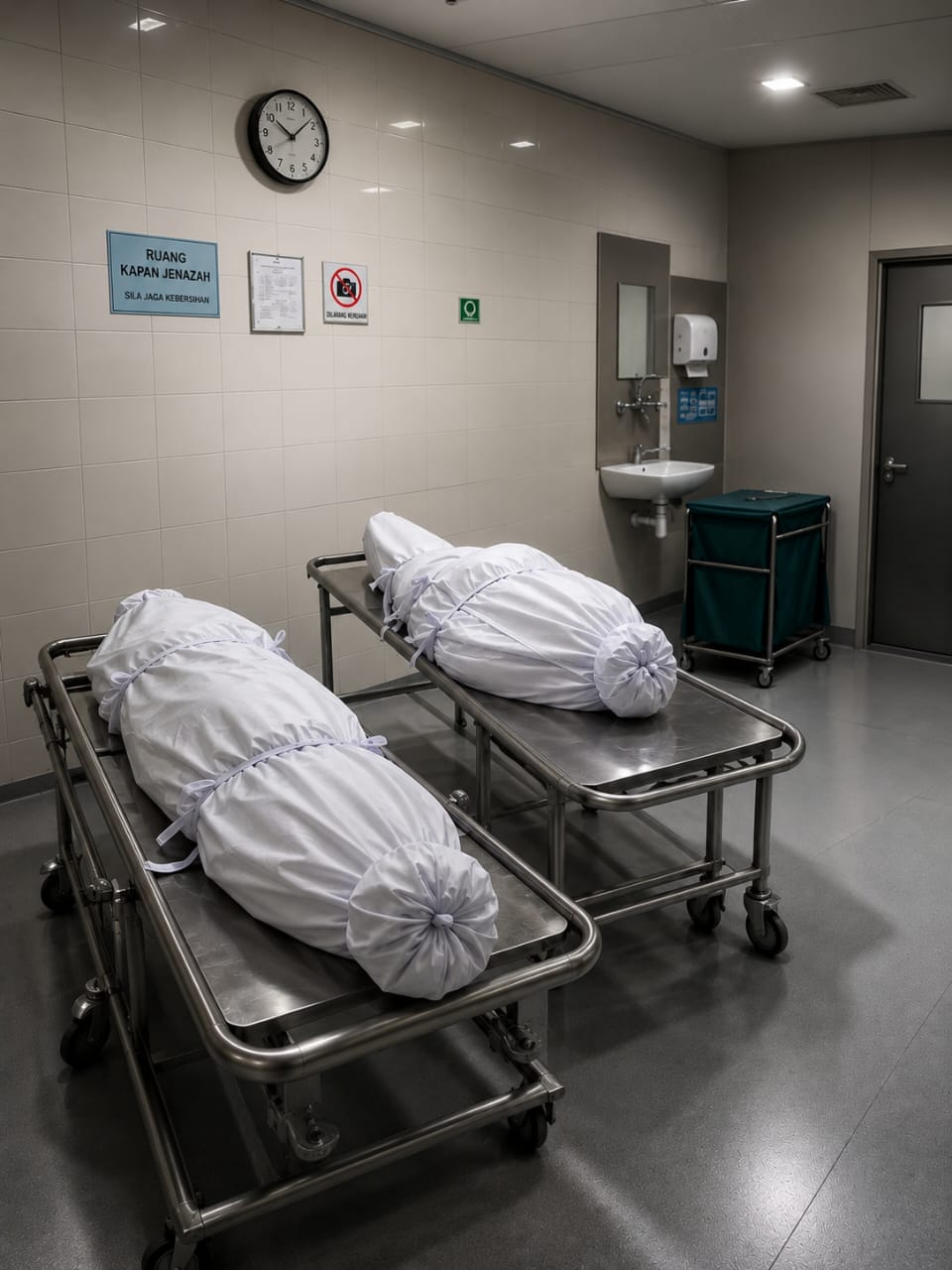
Fatwa On Management Of Unclaimed Bodies

WhatsApp_Image_2026-06-25_at_09.14.17.jpeg


THE 51 ST MEETING OF THE PERLIS STATE FATWA COMMITTEE / 2021

22 FEBRUARI 2021 / 10 REJAB 1442H


FATWA ON MANAGEMENT OF UNCLAIMED BODIES

If there are signs on the body indicating it belongs to a Muslim, even based on presumption, there are no other indications that negate such presumption, then it shall be treated as a Muslim's body.

If there are no indications and no claims from other parties whilst the body is found in a Muslim-majority country, then it shall be regarded as a Muslim's body.

If a part of a corpse is found whereby the death of its owner is ascertained, then it is obligatory to bathe, shroud, and perform funeral prayers upon it. If other body parts are subsequently found after funeral prayers have been performed on the previous parts, then it is obligatory to bathe and shroud them, whilst the prayer is recommended following the preferred view in the Hanbali school.

It is reprehensible to transfer a corpse from the area of its death to another area if there is no necessity need. If the transfer results in damage or alteration to the body, then the ruling is prohibited.

If there exists an urgent necessity for the corpse to be transferred and the process of injecting chemical substances (formalin) is required to prevent the corpse from decomposing, then this is permissible subject to the following conditions:

a. There exists an urgent necessity to transfer the corpse to a destination involving a lengthy duration that would cause the process of decomposition of the corpse.

b. It does not cause other harm due to the transfer process.

c. The injection of chemical substances is performed by those with expertise.

d. It is carried out with discipline in respecting the body as determined by the Shariah.

e. No body parts are discarded nor is anything from within the body removed externally, as this is included within the prohibition of al-Muthlah (mutilation/disfigurement) mentioned in the hadith, unless there exists a necessity (dharurat) and no other alternative.

f. The purpose of the injection is for the process of transferring the corpse and not for preserving the corpse as an exhibit.

g. The transfer is conducted after the corpse has been bathed, shrouded, and funeral prayers performed upon it. This is because the obligations of bathing, shrouding, and performing funeral prayers are obligatory upon the residents where the corpse is located.


Approval of the Members of the Perlis State Fatwa Committee:

1. YBhg. S.S Prof Madya Dato' Arif Perkasa Dr Mohd Asri Bin Zainul Abidin – Mufti of the State of Perlis

2. Sahibul Fadhilah Dato' Kaya Bakti Dr. Mohd. Radzi bin Haji Othman

3. Sahibul Fadhilah Dato' Dr. Johari Bin Mat

4. Sahibul Fadhilah Profesor Dr. Basri bin Ibrahim

5. Sahibul Fadhilah Prof Madya Dr. Muhamad Rozaimi bin Ramle

6. Sahibul Fadhilah Dr. Hj Zaharuddin Bin Hj Abdul Rahman

7. Sahibul Fadhilah Prof. Madya Dr. Azman Bin Mohd Noor

8. Sahibul Fadhilah Prof Madya Dr. Mohd Akram Bin Dato' Dahaman @ Dahlan

9. Sahibul Fadhilah Dr. Kamilin Jamilin @ Ahmad Kamil Jamilin

10. Sahibul Fadhilah Dr Ahmad Sufian Bin Che Abdullah

11. Sahibul Fadhilah Prof Madya Dr Ahmad Wifaq Bin Mokhtar

12. Sahibul Fadhilah Ustaz Syed Abu Bakar Bin Syed Kamal Bharin

13. Ustaz Muhammad Khidhir Bin Abdul Ghani – Secretary

Endorsed at the Meeting of the Perlis Islamic Religious Council and Malay Customs (Majlis Agama Islam dan Adat Istiadat Melayu Perlis) Bil. 2/2021 on 22 March 2021.

Commemorative Feast For The Deceased

THE 36TH MEETING OF THE PERLIS STATE FATWA COMMITTEE / 2018

23-24 JULY 2018


COMMEMORATIVE FEAST FOR THE DECEASED

People gathering at the house of the deceased and food being prepared for them after the deceased has been buried is among the disapproved actions, based on the statement of Jarir bin 'Abdillah (May Allah Be Pleased With Him):

كُنَّا نَعُدُّ الِاجْتِمَاعَ إِلَى أَهْلِ الْمَيِّتِ ، وَصَنِيعَةَ الطَّعَامِ بَعْدَ دَفْنِهِ : مِنْ النِّيَاحَةِ

Translation: "We considered gathering at the family of the deceased and preparing food after burial to be among the prohibited lamentations." (Narrated by Ahmad 6866 and Ibn Majah 1612)

This indicates that the practice of the commemorative feast for the deceased is something contrived and invented. It was never practiced by the Prophet (Peace Be Upon Him) and his companions and they never gathered at the house of the deceased's family after the burial.

According to the Sunnah, when a death occurs, relatives and neighbors are encouraged to lighten the burden borne by the family of the deceased and strive to alleviate the grief that envelops them.

Relatives and neighbors are encouraged to hasten in preparing food or similar provisions for the family of the deceased that can lighten the burden and sorrow they bear. This is based on the statement of the Prophet (Peace Be Upon Him) immediately upon receiving news of the martyrdom of Ja'far bin Abi Talib (May Allah Be Pleased With Him) in the Battle of Mu'tah:

اصْنَعُوا لِآلِ جَعْفَرٍ طَعَامًا ، فَقَدْ أَتَاهُمْ مَا يَشْغَلُهُمْ

Translation: "Prepare food for the family of Ja'far, for verily there has come to them that which preoccupies them." (Narrated by al-Tirmidhī 998, whom he graded as Ḥasan; Abū Dāwūd 3132, Ibn Majah 1610. This hadith is also graded Ḥasan by Ibn Kathīr and al-Albānī)

Imam al-Shafi'i said:

وَأُحِبُّ لِجِيرَانِ الْمَيِّتِ أَوْ ذِي قَرَابَتِهِ أَنْ يَعْمَلُوا لِأَهْلِ الْمَيِّتِ فِي يَوْمِ يَمُوتُ وَلَيْلَتِهِ طَعَامًا يُشْبِعُهُمْ فَإِنَّ ذَلِكَ سُنَّةٌ، وَذِكْرٌ كَرِيمٌ، وَهُوَ مِنْ فِعْلِ أَهْلِ الْخَيْرِ قَبْلَنَا وَبَعْدَنَا

Translation: "And I prefer that the neighbors of the deceased or his relatives prepare food for the family of the deceased on the day of his death and its night, sufficient to satiate them, for this is a Sunnah and a noble remembrance (of them). This is among the deeds of the righteous people before us and after us." (al-Umm 1/317)

Publish modules to the "offcanvas" position.