THE 18TH MEETING OF THE PERLIS STATE FATWA COMMITTEE / 2015
22 – 23 APRIL 2015 / 3 – 4 REJAB 1436H
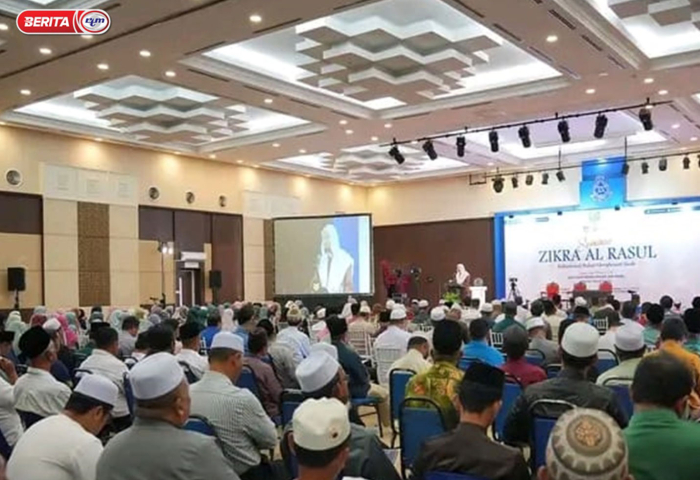
THE CHOSEN MONTH FOR COMMEMORATION OF THE PROPHETﷺ
After extensive deliberation, the meeting unanimously agreed to the proposal to designate Rabi' al-Awwal as the Month of Education for Commemoration Of The Prophetﷺ
PRESENCE AND APPROVAL BY:
Sahibus Samahah Associate Professor Dato' Arif Perkasa Dr. Mohd Asri bin Zainul Abidin
Sahibul Fadhilah Dato' Kaya Bakti Associate Professor Dr. Mohd Radzi bin Haji Othman
Sahibul Fadhilah Ustaz Abdul Hadi bin Haji Osman
Sahibul Fadhilah Associate Professor Dr. Basri bin Ibrahim
Sahibul Fadhilah Associate Professor Dr. Arieff Salleh bin Rosman
Sahibul Fadhilah Dr. Maszlee bin Malik
Sahibul Fadhilah Dr. Hj. Zaharuddin bin Hj. Abdul Rahman
Sahibul Fadhilah Dr. Ahmad Wifaq bin Mokhtar
Sahibul Fadhilah Dr. Muhamad Rozaimi bin Ramle
Sahibul Fadhilah Tuan Haji Roslan bin Esa – Deputy Mufti of the State of Perlis
Ustazah Nafizah binti Abd Halim – Secretary
Endorsed at the Meeting of the Perlis Islamic Religious and Malay Customs Council, No. 3/2015, held on 26 June 2015.
THE 77TH MEETING OF THE PERLIS STATE FATWA COMMITTEE / 2025
1-2 DECEMBER 2025 / 10-11 JAMADIL AKHIR 1447
CALL FOR THE STANDARDISATION OF JAWI ORTHOGRAPHY IN ACCORDANCE WITH ARABIC PRONUNCIATION
The Meeting of the Fatwa Committee of the State of Perlis convened on 1 December 2025 unanimously issued the following statement:
It has been the longstanding tradition of the Fatwa Committee of the State of Perlis to adopt Jawi script as the medium of writing for meeting minutes since its earliest sittings. In light of the recent changes introduced to Jawi orthography, the Fatwa Committee of the State of Perlis proposes that Jawi script be restored to its Arabic linguistic foundations, particularly with regard to words of religious significance. The Committee is of the opinion that Jawi orthography that is inconsistent with the Arabic language will cause confusion in the correct pronunciation of religious terminology, and will not serve to strengthen the relationship between Jawi script and Islamic religious studies — a relationship that has long served as the principal impetus for the learning of Jawi script.
PRESENCE AND APPROVAL BY:
Sahibus Samahah Professor Dato' Arif Perkasa Dr. Mohd Asri bin Zainul Abidin
Sahibul Fadhilah Ustaz Tajul Urus bin Abdul Halim
Sahibul Fadhilah Professor Dr. Muhamad Rozaimi bin Ramle
Sahibul Fadhilah Professor Dr. Basri bin Ibrahim
Sahibul Fadhilah Professor Dr. Azman bin Mohd Noor
Sahibul Fadhilah Assoc. Prof. Dr. Mohd Akram bin Dato' Dahaman @ Dahlan
Sahibul Fadhilah Assoc. Prof. Dr. Ahmad Wifaq bin Mokhtar
Sahibul Fadhilah Ustaz Syed Abu Bakar bin Syed Kamal Bharin
Sahibul Fadhilah K.H. Dr. Zaitun bin Rasmin
Sahibul Fadhilah Dr. Muhammad Lukman bin Mat Sin
Sahibul Fadhilah Ustaz Burhanudin bin Lokman
Al-Fadhil Ustaz Muhammad Khidhir bin Abdul Ghani – Secretary
THE 75TH MEETING OF THE PERLIS STATE FATWA COMMITTEE / 2025
25–26 AUGUST 2025 / 1-2 RABIUL AWWAL 1447
THE RULING ON THE USE OF SUBSTANCES OTHER THAN WATER TO REMOVE IMPURITY
The removal of ritual impurity is aimed at eliminating the impurity and its perceptible traces. This signifies that once the physical substance of the impurity and its evident traces have been removed, the process of purification is deemed complete in the sight of the Sharī'ah. The substance upon which there is scholarly consensus for the removal of impurity is absolute water, and it remains the most preferred medium for this purpose.
Although pure water is the material that cleanses most effectively, in certain circumstances the use of materials other than water is preferable when there is a need. This includes situations such as shortage of water, illness which makes the use of water difficult, or where the use of water may cause loss, damage to property, and the like.
Accordingly, the use of any pure material for istinja’ or for removing impurity from the body, clothing, or place—such as dry tissues, wet wipes, steam, or any other material—is permissible if the impurity and its visible effects can thereby be removed. Once the process of removing impurity is effected, the person, clothing, and place concerned may be used for acts of worship. Nevertheless, one must avoid using materials that possess a status of honour, such as food, or paper containing Quranic text, hadith, or religious knowledge.
PRESENCE AND APPROVAL BY:
Sahibus Samahah Professor Dato' Arif Perkasa Dr. Mohd Asri bin Zainul Abidin
Sahibul Fadhilah Ustaz Tajul Urus bin Abdul Halim
Sahibul Fadhilah Professor Dr. Basri bin Ibrahim
Sahibul Fadhilah Professor Dr. Muhamad Rozaimi bin Ramle
Sahibul Fadhilah Dr. Hj. Zaharuddin bin Hj. Abdul Rahman
Sahibul Fadhilah Professor Dr. Azman bin Mohd Noor
Sahibul Fadhilah Assoc. Prof. Dr. Mohd Akram bin Dato' Dahaman @ Dahlan
Sahibul Fadhilah Dr. Ahmad Sufian bin Che Abdullah
Sahibul Fadhilah Assoc. Prof. Dr. Ahmad Wifaq bin Mokhtar
Sahibul Fadhilah Ustaz Syed Abu Bakar bin Syed Kamal Bharin
Sahibul Fadhilah K.H. Dr. Zaitun bin Rasmin
Sahibul Fadhilah Dr. Muhammad Lukman bin Mat Sin
Sahibul Fadhilah Ustaz Aidil bin Abdul Rahman
Sahibul Fadhilah Ustaz Burhanudin bin Lokman
Al-Fadhil Ustaz Muhammad Khidhir bin Abdul Ghani – Secretary
Endorsed at the Council Session of the Islamic Religious Affairs and Malay Customs Council of Perlis No. 5/2025, on 2 October 2025.
THE 74TH MEETING OF THE PERLIS STATE FATWA COMMITTEE / 2025
1–2 JULAI 2025 / 5-6 MUHARRAM 1447
GUIDELINES ON CINEMAS
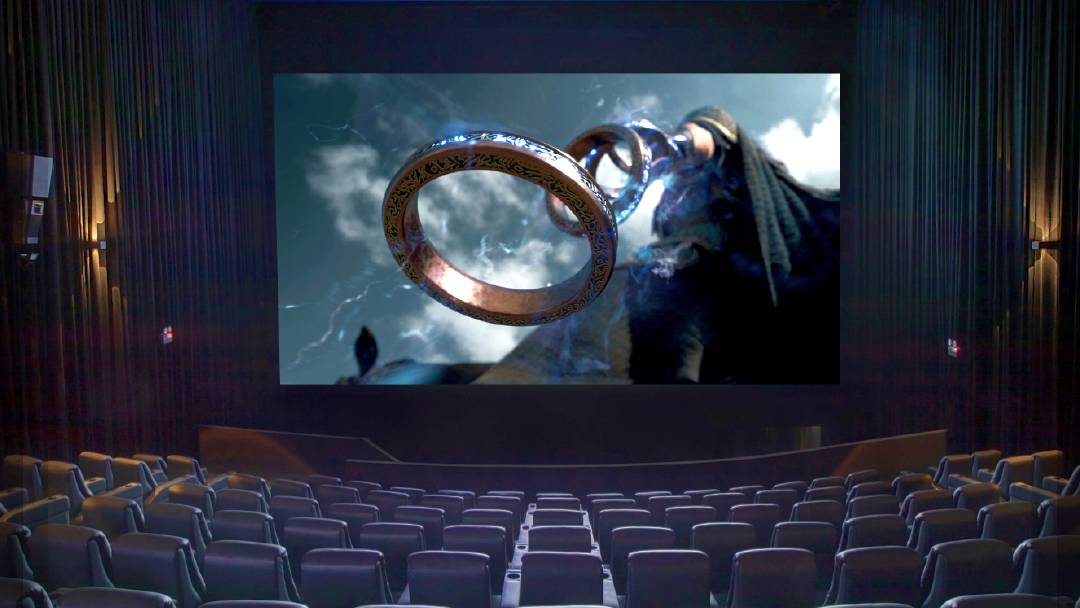
1. Cinemas or motion picture theatres fall under the category of entertainment (lahw). Based on observation, they are divided into two categories:
i. Permissible: if it does not lead to the abandonment of religious obligations or the involvement in prohibited matters. It may even become a meritorious act if it promotes matters sanctioned by the Sharī’ah and is intended to convey benefits of a religious to the audience.
ii. Prohibited: if it leads to the abandonment of religious obligations or the involvement in prohibited matters.
2. The cinema is evaluated on two aspects:
i. The content of the films screened,
ii. The effect of that content on viewers.
A. Content:
Content shall be deemed prohibited if it contains any of the following:
i. The promotion or encouragement of erroneous creeds and beliefs that are contrary to the religion. For instance, the veneration of graves or idols depicted as something true or acceptable,
ii. Promoting acts of insulting Allah, His Messenger, the Quran, or the Sunnah,
iii. Promoting or encouraging prohibited acts such as illicit sexual relations, intoxicants, gambling, and the like.
B. Effect:
Effect refers to what happens to a person after watching a film, and this may differ from one individual to another. If the impact of a film on a viewer clearly results in any of the following, then it is prohibited for that person to watch it:
i. Giving rise to doubt or misunderstanding concerning the teachings of the Quran or the Sunnah,
ii. It incites the individual to engage in matters prohibited by religion, such as adultery (zinā), consumption of intoxicants, gambling, and the like,
iii. It causes the individual to be influenced by erroneous doctrines, such as false beliefs pertaining to saints or a false claimant to the title of Imam al-Mahdī,
iv. Negatively influencing the character and personal conduct of the viewer,
v. Distracting the person to the extent that religious obligations are neglected.
If these effects are not present in the viewer, such as in the case of someone watching for the purpose of research or evaluation, then it is not prohibited.
3. As for cinemas that exist in our country, they are permitted subject to the following conditions:
i. The films screened do not contain any of the prohibited elements as mentioned above,
ii. The premises do not become known as a venue associated with immoral conduct or vice.
PRESENCE AND APPROVAL BY:
Sahibus Samahah Professor Dato' Arif Perkasa Dr. Mohd Asri bin Zainul Abidin
Sahibul Fadhilah Ustaz Tajul Urus bin Abdul Halim
Sahibul Fadhilah Professor Dr. Basri bin Ibrahim
Sahibul Fadhilah Professor Dr. Muhamad Rozaimi bin Ramle
Sahibul Fadhilah Dr. Hj. Zaharuddin bin Hj. Abdul Rahman
Sahibul Fadhilah Professor Dr. Azman bin Mohd Noor
Sahibul Fadhilah Dr. Ahmad Sufian bin Che Abdullah
Sahibul Fadhilah Assoc. Prof. Dr. Ahmad Wifaq bin Mokhtar
Sahibul Fadhilah Ustaz Syed Abu Bakar bin Syed Kamal Bharin
Sahibul Fadhilah K.H. Dr. Zaitun bin Rasmin
Sahibul Fadhilah Dr. Muhammad Lukman bin Mat Sin
Sahibul Fadhilah Ustaz Aidil bin Abdul Rahman
Sahibul Fadhilah Ustaz Burhanudin bin Lokman
Al-Fadhil Ustaz Muhammad Khidhir bin Abdul Ghani – Secretary
Endorsed at the Council Session of the Islamic Religious Affairs and Malay Customs Council of Perlis No. 4/2025, on 15 July 2025.