FAQ  HubungiMaklumbalas  Peta Laman

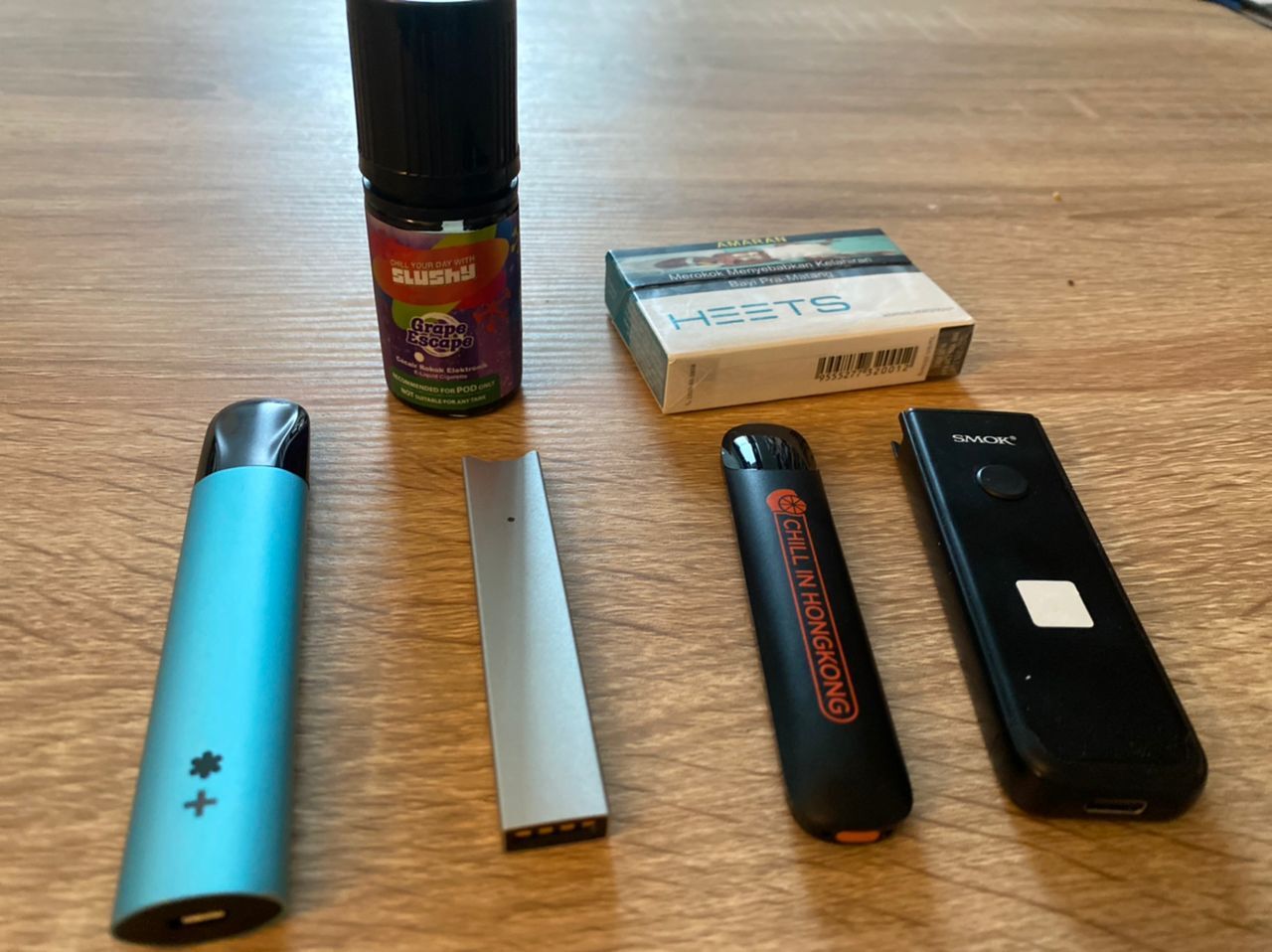
Fatwa On E-Cigarettes And Vapes

e_cigarettes_vape_and_heated_tobacco.jpeg

THE 58TH MEETING OF THE PERLIS STATE FATWA COMMITTEE / 2022

29 - 30 JULAI 2022 / 29 ZULHIJJAH 1443H - 1 MUHARAM 1444H


FATWA ON E-CIGARETTES AND VAPES

Islam prohibits Muslims from using any substance that is proven to be harmful to oneself or others without justification that is permitted by the Shariah. The practice of consuming e-cigarettes and vapes has been concluded by health experts to inflict harm upon oneself and others. Based upon this conclusion, the State Fatwa Committee of Perlis therefore resolves that the practice of consuming such substances is prohibited.


Approval of the Members of the Perlis State Fatwa Committee:

1. S.S Profesor Dato' Arif Perkasa Dr Mohd Asri Bin Zainul Abidin – Mufti of the State of Perlis

2. Sahibul Fadhilah Ustaz Tajul Urus bin Abdul Halim – Deputy Mufti of Perlis

3. Sahibul Fadhilah Dato' Dr. Johari bin Mat

4. Sahibul Fadhilah Profesor Dr. Basri bin Ibrahim

5. Sahibul Fadhilah Prof Madya Dr. Muhamad Rozaimi bin Ramle

6. Sahibul Fadhilah Dr. Hj Zaharuddin Bin Hj Abdul Rahman

7. Sahibul Fadhilah Prof. Madya Dr. Azman Bin Mohd Noor

8. Sahibul Fadhilah Prof Madya Dr. Mohd Akram Bin Dato' Dahaman @ Dahlan

9. Sahibul Fadhilah Dr. Kamilin bin Jamilin

10. Sahibul Fadhilah Dr. Ahmad Sufian Bin Che Abdullah

11. Sahibul Fadhilah Prof Madya Dr Ahmad Wifaq Bin Mokhtar

12. Sahibul Fadhilah Ustaz Syed Abu Bakar Bin Syed Kamal Bharin

13. Sahibul Fadhilah Dr. Muhammad Lukman Bin Mat Sin

14. Ustaz Muhammad Khidhir Bin Abdul Ghani – Secretary

Endorsed at the Meeting of the Perlis Islamic Religious Council and Malay Customs (Majlis Agama Islam dan Adat Istiadat Melayu Perlis) Bil. 4/2022 on 5 August 2022.


The Ruling On Making Or Using Statues In The Form Of Humans Or Animals

anak-patung-teddy-bear-fmtohsem-070419-1.avif

THE 50TH MEETING OF THE PERLIS STATE FATWA COMMITTEE / 2020

14 DISEMBER 2020 / 28 RABIUL AKHIR 1442H


THE RULING ON MAKING OR USING STATUES IN THE FORM OF HUMANS OR ANIMALS

After deliberation, the Perlis State Fatwa Committee has agreed to decide the following matters:

1. Making or using any statue for the purpose of worship, veneration, reverence or glorification is prohibited (haram) according to Islamic law. It can lead to polytheism (shirk). Therefore, Muslims are forbidden from making, using or keeping statues that contain such elements.

2. As for making or using any form of statue that does not contain elements of worship, veneration, reverence or glorification but rather for worldly purposes such as play, education, medicine, criminal investigation and anything that does not contain elements of worship is permissible. However, a Muslim who is involved in making, keeping or using statues for the aforementioned purposes must be cautious so as not to be involved with elements that can lead to polytheism (shirk) (worshipping, glorifying, revering and venerating).

3. Since among the jurists (fuqaha) there are those who absolutely prohibit making statues of humans and animals even if not for the purpose of worship, glorification, reverence or veneration, then if a person is able to avoid involvement in the making or use of statues of animals or humans, it is something more meritorious (preferable).


Approval of the Members of the Perlis State Fatwa Committee:

1. YBhg. S.S Prof Madya Dato' Arif Perkasa Dr Mohd Asri Bin Zainul Abidin – Mufti of the State of Perlis

2. Sahibul Fadhilah Dato' Kaya Bakti Dr. Mohd. Radzi bin Haji Othman

3. Sahibul Fadhilah Dato' Dr. Johari Bin Mat

4. Sahibul Fadhilah Profesor Dr. Basri bin Ibrahim

5. Sahibul Fadhilah Prof Madya Dr. Muhamad Rozaimi bin Ramle

6. Sahibul Fadhilah Dr. Hj Zaharuddin Bin Hj Abdul Rahman

7. Sahibul Fadhilah Prof. Madya Dr. Azman Bin Mohd Noor

8. Sahibul Fadhilah Prof Madya Dr. Mohd Akram Bin Dato' Dahaman @ Dahlan

9. Sahibul Fadhilah Dr. Kamilin Jamilin @ Ahmad Kamil Jamilin

10. Sahibul Fadhilah Dr Ahmad Sufian Bin Che Abdullah

11. Sahibul Fadhilah Prof Madya Dr Ahmad Wifaq Bin Mokhtar

12. Sahibul Fadhilah Ustaz Syed Abu Bakar Bin Syed Kamal Bharin

13. Ustaz Muhammad Khidhir Bin Abdul Ghani – Secretary

Endorsed at the Meeting of the Perlis Islamic Religious Council and Malay Customs (Majlis Agama Islam dan Adat Istiadat Melayu Perlis) Bil. 1/2021 on 26 January 2021.

Disposal Of Al-Quran And Religious Printed Materials Using Green "Deinking" Technology

images.jpeg

THE 55TH MEETING OF THE PERLIS STATE FATWA COMMITTEE / 2021

22 - 23 NOVEMBER 2021 / 17 - 18 RABIUL AKHIR 1443H

DISPOSAL OF AL-QURAN AND RELIGIOUS PRINTED MATERIALS USING GREEN "DEINKING" TECHNOLOGY

1. Disposal of the Al-Quran and religious printed materials using the green "Deinking" technology is permissible.

2. The Committee is views that this method is better and environmentally friendly without any form of pollution and wastage.

3. The Committee recommends that the "Deinking" method be expanded in its usage to replace existing methods that contribute to environmental pollution.

Approval of the Members of the Perlis State Fatwa Committee:

1. S.S Prof Madya Dato' Arif Perkasa Dr Mohd Asri Bin Zainul Abidin – Mufti of the State of Perlis

2. Sahibul Fadhilah Ustaz Tajul Urus bin Abdul Halim – Deputy Mufti of Perlis

3. Sahibul Fadhilah Dato' Dr. Johari Bin Mat

4. Sahibul Fadhilah Profesor Dr. Basri bin Ibrahim

5. Sahibul Fadhilah Prof Madya Dr. Muhamad Rozaimi bin Ramle

6. Sahibul Fadhilah Dr. Hj Zaharuddin Bin Hj Abdul Rahman

7. Sahibul Fadhilah Prof. Madya Dr. Azman Bin Mohd Noor

8. Sahibul Fadhilah Prof Madya Dr. Mohd Akram Bin Dato' Dahaman @ Dahlan

9. Sahibul Fadhilah Dr. Kamilin Jamilin @ Ahmad Kamil Jamilin

10. Sahibul Fadhilah Dr Ahmad Sufian Bin Che Abdullah

11. Sahibul Fadhilah Prof Madya Dr Ahmad Wifaq Bin Mokhtar

12. Sahibul Fadhilah Ustaz Syed Abu Bakar Bin Syed Kamal Bharin

13. Ustaz Muhammad Khidhir Bin Abdul Ghani – Secretary

Endorsed at the Meeting of the Perlis Islamic Religious Council and Malay Customs (Majlis Agama Islam dan Adat Istiadat Melayu Perlis) Bil. 1/2022 on 20 January 2022.

Fatwa Regarding Muslims Dealing With Dogs


xeafuolxb0sfbfthgz9o.jpg

THE 54TH MEETING OF THE PERLIS STATE FATWA COMMITTEE / 2021

8 - 9 SEPTEMBER 2021 / 1 - 2 SAFAR 1443H


FATWA REGARDING MUSLIMS DEALING WITH DOGS

1. Muslims may use dogs for Shar'ie necessities, namely to assist in life affairs such as hunting, guarding livestock, detecting crimes or goods, and the like. This permissibility is sourced from the Qur'an and Sunnah.

2. Keeping dogs without Shar'ie necessity in life affairs is prohibited. This is due to the effects of impurity, hospitality, disturbance to worship, relationships amongst family members, neighbourhood, and the like. There exists authentic hadith that prohibits this matter.

3. Being a veterinarian who treats dogs is not an offense; rather, it is a good deed. In an authentic hadith, it is mentioned that a prostitute was forgiven by Allah for giving drink to a dog.

4. Being a trainer who trains dogs, such as for hunting, detecting goods, criminals, and the like, is a Shar'ie occupation as stated in Surah al-Ma'idah, verse 4.

5. The jurists hold differing opinions regarding contact with wet dogs. Among the main views of the schools of jurisprudence are:

a) Contact with a wet or moist dog must be washed seven times, namely six times with pure water, one with soil-mixed water.

b) Only the licking of a dog must be washed seven times

c) Washing seven times is not obligatory but is rewarded if performed.

6. Since the textual evidence (nas) of the hadith mentions that the licking of a dog must be washed seven times, including once with earth water, limiting that obligation to dog licking only is the opinion adopted in this fatwa. This opinion has been mentioned by al-Mutawalli and al-Rafi'i in the Shafi'i school of jurisprudence and is considered strong by al-Imam al-Nawawi in al-Majmu'.

7. Therefore, if it is ascertained that dog licking has come into contact with utensils, the self, clothing, places, or any items, it must be washed seven times, including one time with soil-mixed water. Other cleaning substances as a substitute for earth water may only be used if the use of earth water could cause damage, property loss or unavailability. 

8. The obligation to wash items that have come into contact with dog impurity (najis) applies if the items in question are to be used for purposes of worship or for eating and drinking.

9. If the contact occurs in a dry state on both the one touching and the one being touched, then the ruling of washing is not obligatory based on the consensus of scholars.

10. Dogs that cause harm to humans may be disposed of. They are included in the list of animals that may be killed as mentioned in authentic hadith.


Approval of the Members of the Perlis State Fatwa Committee:

1. YBhg. S.S Prof Madya Dato' Arif Perkasa Dr Mohd Asri Bin Zainul Abidin – Mufti of the State of Perlis

2. Sahibul Fadhilah Prof Dato' Kaya Bakti Dr. Mohd. Radzi bin Haji Othman

3. Sahibul Fadhilah Dato' Dr. Johari Bin Mat

4. Sahibul Fadhilah Profesor Dr. Basri bin Ibrahim

5. Sahibul Fadhilah Prof Madya Dr. Muhamad Rozaimi bin Ramle

6. Sahibul Fadhilah Dr. Hj Zaharuddin Bin Hj Abdul Rahman

7. Sahibul Fadhilah Prof Madya Dr. Mohd Akram Bin Dato' Dahaman @ Dahlan

8. Sahibul Fadhilah Dr. Kamilin Jamilin @ Ahmad Kamil Jamilin

9. Sahibul Fadhilah Dr Ahmad Sufian Bin Che Abdullah

10. Sahibul Fadhilah Prof Madya Dr Ahmad Wifaq Bin Mokhtar

11. Sahibul Fadhilah Ustaz Syed Abu Bakar Bin Syed Kamal Bharin

12. Ustaz Muhammad Khidhir Bin Abdul Ghani – Secretary

Endorsed at the Meeting of the Perlis Islamic Religious Council and Malay Customs (Majlis Agama Islam dan Adat Istiadat Melayu Perlis) Bil. 4/2021 on 14 September 2021.


Publish modules to the "offcanvas" position.