


Ruling on brushing teeth while fasting? - Question: Brushing the teeth (Siwak) is a Sunnah, but why is it said that we cannot perform this Sunnah while fasting? What about those whose breath smells bad; doesn't this disturb others during congregational prayers or at the office?
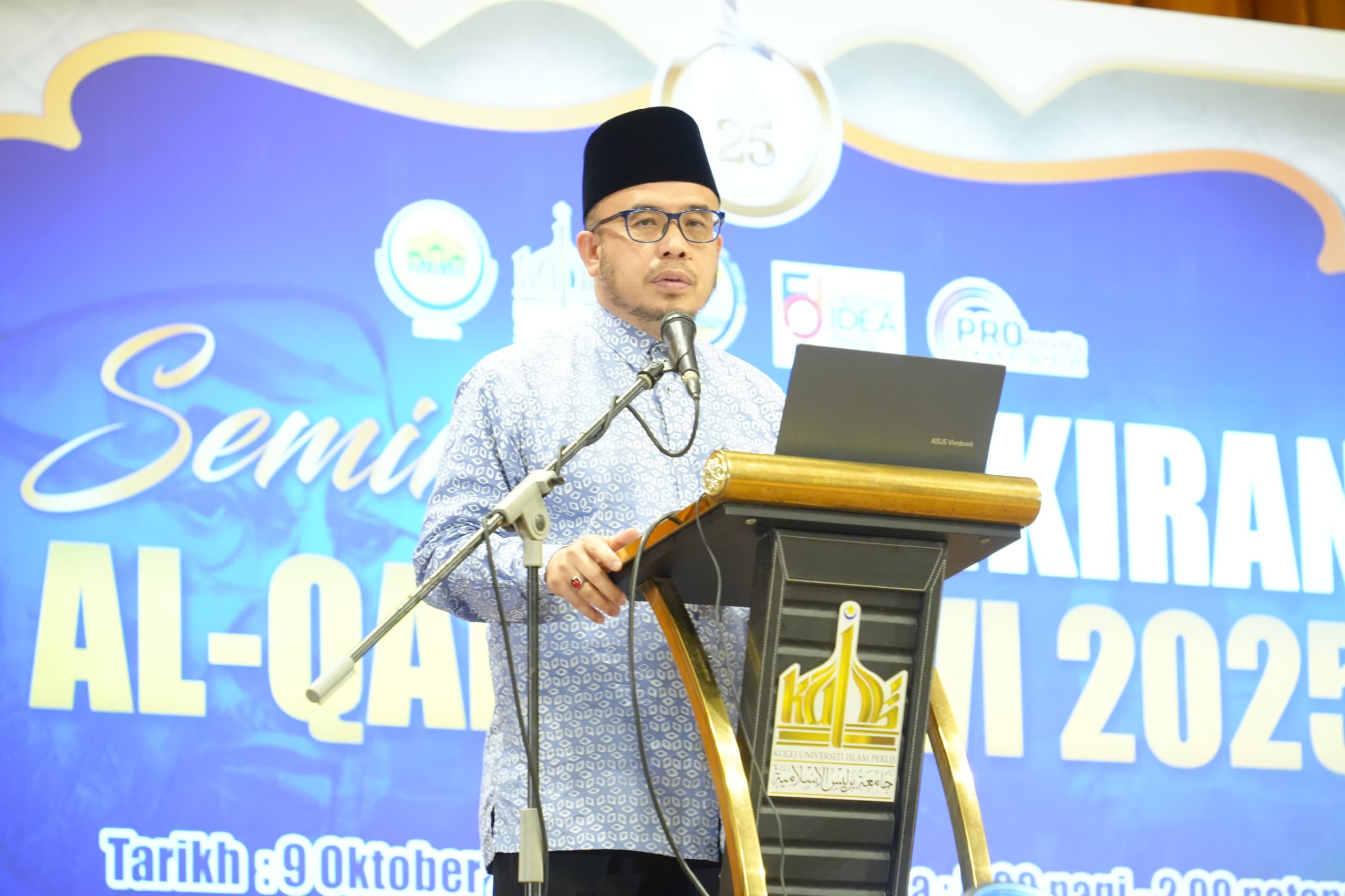
Answer by Dr. MAZA
1. Islam encourages Siwak (brushing teeth) because it prevents bad breath. In fact, if it were not a burden on the Ummah, it would have been made Wajib (obligatory) for us to brush five times a day. This is based on the words of the Prophet (s.a.w.):
لَوْلاَ أَنْ أَشُقَّ عَلَى أُمَّتِي أَوْ عَلَى النَّاسِ لَأَمَرْتُهُمْ بِالسِّوَاكِ مَعَ كُلِّ صَلاَةٍ
“If it were not that I would be overburdening my community or the people, I would have ordered them to use the Siwak before every prayer.” (Narrated by al-Bukhari and Muslim).
2. When we fast, our breath becomes stronger. This is something difficult to avoid. Allah knows this reality. Allah knows that the smell happens because we are not eating or drinking all day for His sake. Therefore, the Prophet (s.a.w.) said:
لَخُلُوفُ فَمِ الصَّائِمِ أَطْيَبُ عِنْدَ اللَّهِ مِنْ رِيحِ المِسْكِ
“The smell coming from the mouth of a fasting person is more pleasant to Allah than the scent of musk.” (Narrated by al-Bukhari and Muslim).
3. However, this does not mean a fasting person is told to let others smell their bad breath. That would disturb others, especially in modern times where we work in public places or around many people. Furthermore, if there are non-Muslims around, it may cause discomfort toward Muslims fasting in Ramadan or hide the true beauty of Islam.
4. Therefore, the opinion that tells us to leave the bad breath as it is during fasting is not very strong in terms of the natural character or the neutrality of this religion. While we respect differences of opinion, the reality of a friendly social life rejects that view.
5. Additionally, the Hadiths that seem to encourage someone to keep their bad breath are Da’if (weak) in their chain of narration. They are not strong enough to be attributed to the Prophet (s.a.w.), as stated by al-Imam Al-Mubarakfuri in Tuhfat al-Ahwazi. Thus, they cannot be used as proof. This is especially true since they contradict the nature of Islam itself. The Hadiths encouraging cleanliness and Siwak are general and cover all times, including the month of Ramadan.
Among the very Da’if (weak) Hadiths used in this topic is one where the Prophet (s.a.w.) supposedly said:
إِذَا صُمْتُمْ فَاسْتَاكُوا بِالْغَدَاةِ وَلَا تَسْتَاكُوا بِالْعَشِيِّ فَإِنَّ الصَّائِمَ إِذَا يَبِسَتْ شَفَتَاهُ كَانَ لَهُ نُورٌ يَوْمَ الْقِيَامَةِ
“If you fast, use the Siwak in the morning but do not use it in the evening, for when the fasting person's lips become dry, it will be a light for him on the Day of Judgment.” (Narrated by al-Bazzar, at-Tabarani, al-Daraqutni, and al-Baihaqi).
However, it is too weak to be used as evidence. In its Sanad (chain), there is Kaisan Abu ‘Umar, who is a weak narrator.
6. There is another Da’if Hadith, but it is stronger (or less weak) than the one above, narrated by ‘Amir bin Rabi’ah who said: “I saw the Messenger of Allah using the Siwak while he was fasting.” (Narrated by al-Bukhari as ta’liq, Ahmad, al-Tirmizi, Abu Daud, etc.).
7. In a narration by al-Tabarani with a Hasan (good) Sanad, Mu’az bin Jabal (r.a.) was once asked about using Siwak while fasting:
عنْ عَبْدِ الرَّحْمَنِ بْنِ غَنْمٍ، قَالَ: سَأَلْتُ مُعَاذَ بْنَ جَبَلٍ أَتَسَوَّكُ وَأَنَا صَائِمٌ؟ فَقَالَ: نَعَمْ، قُلْتُ: أَيُّ النَّهَارِ؟ قَالَ: أَيَّ النَّهَارِ شِئْتَ، إِنْ شِئْتَ غُدْوَةً، وَإِنْ شِئْتَ عَشِيَّةً، قُلْتُ: فَإِنَّ نَاسًا يَكْرَهُونَهُ عَشِيَّةً، قَالَ: وَلِمَ؟ قُلْتُ: يَقُولُونَ إِنَّ رَسُولَ اللَّهِ صَلَّى اللهُ عَلَيْهِ وَسَلَّمَ قَالَ: «لَخُلُوفُ فَمِ الصَّائِمِ أَطْيَبُ عِنْدَ اللَّهِ مِنَ الْمِسْكِ» فَقَالَ: سُبْحَانَ اللَّهِ لَقَدْ أَمَرَهُمْ رَسُولُ اللَّهِ صَلَّى اللهُ عَلَيْهِ وَسَلَّمَ بِالسِّوَاكِ، حِينَ أَمَرَهُمْ وَهُوَ يَعْلَمُ أَنَّهُ لَابُدَّ أَنْ يَكُونَ بِفِي الصِّيَامِ خُلُوفٌ، وَإِنِ اسْتَاكَ، وَمَا كَانَ بِالَّذِي يَأْمُرُهُمْ أَنْ يُنْتِنُوا أَفْوَاهَهُمْ عَمْدًا، مَا فِي ذَلِكَ مِنَ الْخَيْرِ شَيْءٌ، بَلْ فِيهِ شَرٌّ إِلَّا مَنِ ابْتُلِيَ بِبَلَاءٍ لَا يَجِدُ مَنهُ بُدًا قُلْتُ: وَالْغُبَارُ فِي سَبِيلِ اللهِ أَيْضًا كَذَلِكَ؟ إِنَّمَا يُؤْجَرُ فِيهِ مَنِ اضْطُرَّ إِلَيْهِ وَلَمْ يَجِدْ عَنْهُ مَحِيصًا؟ قَالَ: «نَعَمْ، وَأَمَّا مَنْ أَلْقَى نَفْسَهُ فِي الْبَلَاءِ عَمْدًا فَمَا لَهُ مَنْ ذَلِكَ مِنْ أَجْرٍ
From Abd al-Rahman bin Ghanam, who said: I asked Mu’az bin Jabal: "Can I use the Siwak while I am fasting?" He replied: "Yes." I asked: "At what time of day?" He replied: "At any time you wish, morning or evening." I said: "The people dislike brushing in the evening." Mu’az asked: "Why?" I answered: "They say the Messenger of Allah (s.a.w.) said: 'The smell of the mouth of a fasting person is more pleasant to Allah than the scent of musk'." Mu’az said: "Subhanallah! The Messenger of Allah (s.a.w.) ordered them to use the Siwak. When he ordered them, he knew that the mouth of a fasting person would surely have a smell even if they used the Siwak. He is not one to order them to make their mouths smell bad on purpose. There is no goodness at all in that. In fact, there is harm in it, except for those who are tested and cannot avoid it." I asked: "Is it not the same with the dust (on the clothes) in the path of Allah?! One is only rewarded for that dust if they cannot avoid it?" Mu’az said: "Yes, but as for whoever intentionally throws himself into a trial (bad breath or dust), he receives no reward for it."
8. Therefore, the encouragement to use the Siwak for every prayer narrated in Sahih (authentic) Hadiths is the foundation of a Muslim's practice. This means using the Siwak is always encouraged regardless of whether one is fasting or not. The Prophet (s.a.w.) in another Sahih Hadith stated the purpose of Siwak by saying:
السِّوَاكُ مَطْهَرَةٌ لِلْفَمِ مَرْضَاةٌ لِلرَّبِّ
“The Siwak cleanses the mouth and pleases the Lord.” (Narrated by Ahmad, an-Nasai, Ibn Hibban, etc.).
9. As for the claim that modern toothpaste cannot be used because it has a certain taste, this is not strong because the Siwak wood used in the past also had its own taste. As long as it does not enter the stomach intentionally, it does not invalidate the fast.
10. Therefore, let fasting reflect the beauty of character in words and actions that strengthen good relationships in society. Do not let our bad breath cause anxiety to others regarding those who fast. Fast and use your Siwak!
(Ruling on brushing teeth while fasting?)
Keseluruhan 3602896