FAQ  HubungiMaklumbalas  Peta Laman

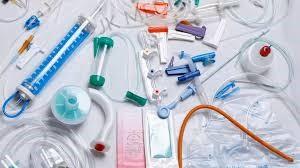
Ruling On The Use Of Medical Apparatus Containing Impure Substances


THE 79TH MEETING OF THE PERLIS STATE FATWA COMMITTEE / 2026

14-15 APRIL 2026 / 25-26 SYAWAL 1447


RULING ON THE USE OF MEDICAL APPARATUS CONTAINING IMPURE SUBSTANCES


1. Ostomy bags and any medical apparatus or application containing substances derived from swine, or from other animals not lawful (halal) to consume, or from lawful animals not slaughtered according to Islamic rites, used as adhesive on the baseplate or for any other purpose, are ritually impure and may not be used by a Muslim patient. However, if such substances can be verified to have undergone the process of istihalah (complete transformation of substance), then their use is permissible.

2. Medical substances or devices that have not been verified to be impure may be used.  If a person discovers, after use, that the substance used was in fact impure, this is excused under Islamic law. Nevertheless, exercising precaution to ascertain the purity of substances prior to use reflects a commendable degree of religious scrupulousness.

3. Where a Muslim has no alternative and his condition necessitates the use of such a substance, its use is permissible.

4. In all circumstances, a Muslim remains obliged to perform the prescribed obligatory prayers according to his or her capacity.

5. A patient who has used a substance containing impurity out of ignorance, or because no alternative was available at the relevant time, is not required to repeat the prayers performed during that period.


PRESENCE AND APPROVAL BY:

  1. Sahibus Samahah Professor Dato' Arif Perkasa Dr. Mohd Asri bin Zainul Abidin
  2. Sahibul Fadhilah Ustaz Tajul Urus bin Abdul Halim
  3. Sahibul Fadhilah Professor Dr. Muhamad Rozaimi bin Ramle
  4. Sahibul Fadhilah Professor Dr. Basri bin Ibrahim
  5. Sahibul Fadhilah Professor Dr. Azman bin Mohd Noor
  6. Sahibul Fadhilah Assoc. Prof. Dr. Mohd Akram bin Dato' Dahaman @ Dahlan
  7. Sahibul Fadhilah Dr. Hj. Zaharuddin bin Hj. Abdul Rahman
  8. Sahibul Fadhilah Assoc. Prof. Dr. Ahmad Wifaq bin Mokhtar
  9. Sahibul Fadhilah Dr. Ahmad Sufian bin Che Abdullah
  10. Sahibul Fadhilah Ustaz Syed Abu Bakar bin Syed Kamal Bharin
  11. Sahibul Fadhilah K.H. Dr. Zaitun bin Rasmin
  12. Sahibul Fadhilah Dr. Muhammad Lukman bin Mat Sin
  13. Sahibul Fadhilah Ustaz Burhanudin bin Lokman
  14. Sahibul Fadhilah Dr. Muhammad Luthfi bin Mohammad Masruh
  15. Al-Fadhil Ustaz Muhammad Khidhir bin Abdul Ghani – Secretary

Endorsed at the Meeting of the Perlis Islamic Religious and Malay Customs Council, No. 3/2026, held on 19 May 2026.
The Ruling On The Disposal Of Organs Or Tissues Of Patients In Hospitals


THE 78TH MEETING OF THE PERLIS STATE FATWA COMMITTEE / 2026

9 - 10 FEBRUARY 2026 / 21 - 22 SYAABAN 1447H


THE RULING ON THE DISPOSAL OF ORGANS OR TISSUES OF PATIENTS IN HOSPITALS


In ordinary circumstances, the disposal of human organs or tissues separated from a person's body is carried out by means of burial. This applies to items such as urine, bones, ears, internal organs, and the like. The scholars consider the burial of organs or tissues separated from the human body to be a form of respect for human dignity and a means to prevent these parts from decomposing, becoming a source of disease transmission, or being consumed by animals, all of which contradict human nobility and may create difficult situations for society.

The burial of such body parts is, in its original ruling, recommended. However, it becomes obligatory where it may lead to circumstances that cause harm to the living or diminish human dignity.

Nevertheless, if the process of burying such tissues would itself give rise to harm or wastage — such as in the case of tissues and organs managed by hospitals that contain hazardous substances such as formalin, or that require extensive land and entail high costs, or that may pose a threat to the living in the event of flooding or similar occurrences — then such body parts may be disposed of by safer methods, such as incineration or other appropriate means.


PRESENCE AND APPROVAL BY:

  1. Sahibus Samahah Professor Dato' Arif Perkasa Dr. Mohd Asri bin Zainul Abidin
  2. Sahibul Fadhilah Ustaz Tajul Urus bin Abdul Halim
  3. Sahibul Fadhilah Professor Dr. Muhamad Rozaimi bin Ramle
  4. Sahibul Fadhilah Professor Dr. Basri bin Ibrahim
  5. Sahibul Fadhilah Professor Dr. Azman bin Mohd Noor
  6. Sahibul Fadhilah Assoc. Prof. Dr. Mohd Akram bin Dato' Dahaman @ Dahlan
  7. Sahibul Fadhilah Dr. Hj. Zaharuddin bin Hj. Abdul Rahman
  8. Sahibul Fadhilah Assoc. Prof. Dr. Ahmad Wifaq bin Mokhtar
  9. Sahibul Fadhilah Dr. Ahmad Sufian bin Che Abdullah
  10. Sahibul Fadhilah Ustaz Syed Abu Bakar bin Syed Kamal Bharin
  11. Sahibul Fadhilah K.H. Dr. Zaitun bin Rasmin
  12. Sahibul Fadhilah Dr. Muhammad Lukman bin Mat Sin
  13. Sahibul Fadhilah Ustaz Burhanudin bin Lokman
  14. Sahibul Fadhilah Dr. Muhammad Luthfi bin Mohammad Masruh
  15. Al-Fadhil Ustaz Muhammad Khidhir bin Abdul Ghani – Secretary

Endorsed at the Meeting of the Perlis Islamic Religious and Malay Customs Council, No. 2/2026, held on 12 March 2026.

Ruling On Providing Pre-Exposure Prophylaxis (Prep) Medication To High-Risk Groups

prepp_1781220624.webp

THE 63RD MEETING OF THE PERLIS STATE FATWA COMMITTEE / 2023

23 - 24 JULAI 2023 / 5 - 6 MUHARRAM 1445H


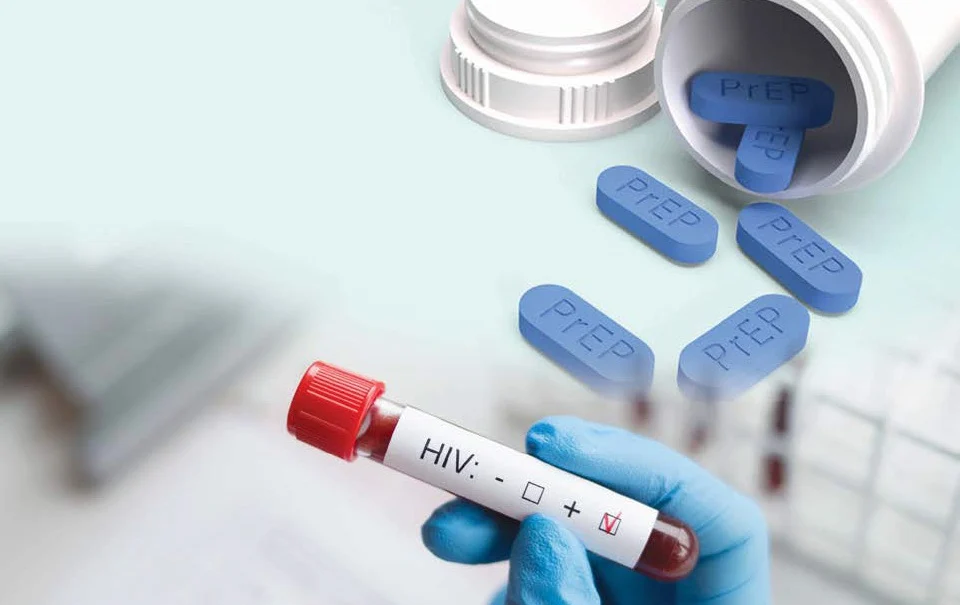
RULING ON PROVIDING PRE-EXPOSURE PROPHYLAXIS (PrEP) MEDICATION TO HIGH-RISK GROUPS

After the Perlis State Fatwa Committee heard explanations regarding the policy of providing PrEP from the Ministry of Health and Medical Practitioners, both those who support and those who oppose, the Perlis State Fatwa Committee holds the following view:

1. PrEP is fundamentally a medication or substance given to prevent HIV infection. Originally, taking or giving medication that is not harmful is permissible unless there is a specific matter that changes the original ruling

2. Taking disease prevention measures is something that is obligatory, not prohibited. However, if the provision of a substance to curb disease transmission at the same time can lead to the encouragement of committing immoral acts, then in this situation, a consideration between two harms must be undertaken and the lighter harm chosen. In this case, the Fatwa Committee is of the opinion that the harm of HIV transmission which can spread extensively is greater compared to the harm of PrEP misuse to encourage sodomy acts.

3. The groups affected by HIV consist of various parties. They are not only practitioners of homosexuality and free sex which are clearly prohibited; it can also infect those who have lawful relations, but their partners have sexual relations with HIV carriers.

4. On this basis, it is permissible for the authorities or medical practitioners to provide PrEP to prevent HIV transmission. Nevertheless, an individual who takes PrEP to encourage himself to engage in free sex or sodomy is prohibited.

5. The provision of PrEP as a protective measure for those who may become victims, such as a wife who is concerned about her husband's condition who may be involved in something questionable, or a wife whose husband is in the process of drug rehabilitation, then that is something appropriate.

6. At the same time, measures to save victims infected with HIV from their partners must be implemented effectively, such as facilitating divorce applications or immediate separation of spouses affected by HIV. Case management in Shariah courts must be progressive and not regressive.

7. One matter that becomes an important demand is that this country must clearly and explicitly voice opposition to sodomy, particularly homosexuality. Thus, the provision of PrEP in an atmosphere of opposition to such perversion does not present the state as compromising and promoting wrongful activities.


Attendance of Members of the Perlis State Fatwa Committee:

1. S.S Professor Dato' Arif Perkasa Dr Mohd Asri Bin Zainul Abidin – Mufti of Perlis;

2. Sahibul Fadhilah Ustaz Tajul Urus bin Abdul Halim – Deputy Mufti of Perlis;

3. Sahibul Fadhilah Dato' Dr. Johari bin Mat;

4. Sahibul Fadhilah Professor Dr. Muhamad Rozaimi bin Ramle;

5. Sahibul Fadhilah Professor Dr. Basri bin Ibrahim;

6. Sahibul Fadhilah Dr. Hj Zaharuddin Bin Hj Abdul Rahman;

7. Sahibul Fadhilah Professor Dr. Azman Bin Mohd Noor;

8. Sahibul Fadhilah Associate Professor Dr. Mohd Akram Bin Dato' Dahaman @ Dahlan;

9. Sahibul Fadhilah Dr. Kamilin bin Jamilin;

10. Sahibul Fadhilah Associate Professor Dr Ahmad Wifaq Bin Mokhtar;

11. Sahibul Fadhilah Ustaz Syed Abu Bakar Bin Syed Kamal Bharin;

12. Sahibul Fadhilah Dr. Muhammad Lukman Bin Mat Sin;

13. Ustaz Muhammad Khidhir Bin Abdul Ghani – Secretary.

RESOLVED at the Meeting of the Majlis Agama Islam dan Adat Istiadat Melayu Perlis Bil. 5/2023 on 2 October 2023.

Ruling On Vaccine Injections For Fasting Persons

vaksin_covid-19.jpg

THE 52ND MEETING OF THE PERLIS STATE FATWA COMMITTEE / 2021

19 - 20 MAC 2021 / 6 - 7 SYA'BAN 1442H


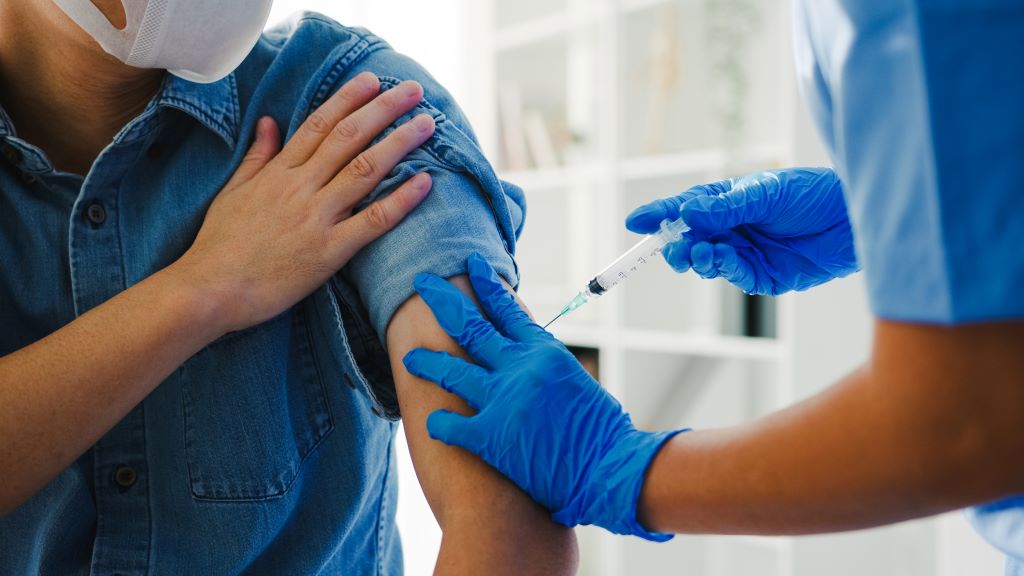
RULING ON VACCINE INJECTIONS FOR FASTING PERSONS

Medical injections that do not pass through an open cavity and are not substitutes for eating or drinking, including vaccines, do not invalidate the fast.


Approval of the Members of the Perlis State Fatwa Committee:

1. YBhg. S.S Prof Madya Dato' Arif Perkasa Dr Mohd Asri Bin Zainul Abidin – Mufti of the State of Perlis

2. Sahibul Fadhilah Prof Dato' Kaya Bakti Dr. Mohd. Radzi bin Haji Othman

3. Sahibul Fadhilah Dato' Dr. Johari Bin Mat

4. Sahibul Fadhilah Profesor Dr. Basri bin Ibrahim

5. Sahibul Fadhilah Prof Madya Dr. Muhamad Rozaimi bin Ramle

6. Sahibul Fadhilah Dr. Hj Zaharuddin Bin Hj Abdul Rahman

7. Sahibul Fadhilah Prof. Madya Dr. Azman Bin Mohd Noor

8. Sahibul Fadhilah Prof Madya Dr. Mohd Akram Bin Dato' Dahaman @ Dahlan

9. Sahibul Fadhilah Dr. Kamilin Jamilin @ Ahmad Kamil Jamilin

10. Sahibul Fadhilah Dr Ahmad Sufian Bin Che Abdullah

11. Sahibul Fadhilah Prof Madya Dr Ahmad Wifaq Bin Mokhtar

12. Sahibul Fadhilah Ustaz Syed Abu Bakar Bin Syed Kamal Bharin

13. Ustaz Muhammad Khidhir Bin Abdul Ghani – Secretary

Endorsed at the Meeting of the Perlis Islamic Religious Council and Malay Customs (Majlis Agama Islam dan Adat Istiadat Melayu Perlis) Bil. 2/2021 on 22 March 2021.

Publish modules to the "offcanvas" position.