THE 32ND & 33RD MEETING OF THE PERLIS STATE FATWA COMMITTEE / 2017
20 - 21 OCTOBER 2017 / 29 MUHARRAM- 1 SAFAR 1439H
ZAKAT ON EMPLOYEES PROVIDENT FUND (EPF/KWSP) SAVINGS
EPF (KWSP) funds, once withdrawn by the contributor, become subject to zakat once a full haul (lunar year) has elapsed. The rate of zakat payable is 2.5% of the amount held as at the end of the haul period, provided the remaining balance reaches the nisab (minimum threshold).
Advance payment of zakat prior to the completion of the haul is permissible. However, the rate of payment shall be based on the final balance as at the completion of the haul.
EPF (KWSP) funds may be distributed in accordance with the Islamic law of inheritance (faraid) once matters relating to the deceased's funeral, debts, and bequest (wasiat) have been settled.
Endorsed at the Meeting of the Perlis Islamic Religious and Malay Customs Council, No. 7/2017, held on 6 November 2017, corresponding to 17 Safar 1439H.
THE 46TH MEETING OF THE PERLIS STATE FATWA COMMITTEE / 2020
17 JUNE 2020 / 25 SYAWAL 1441
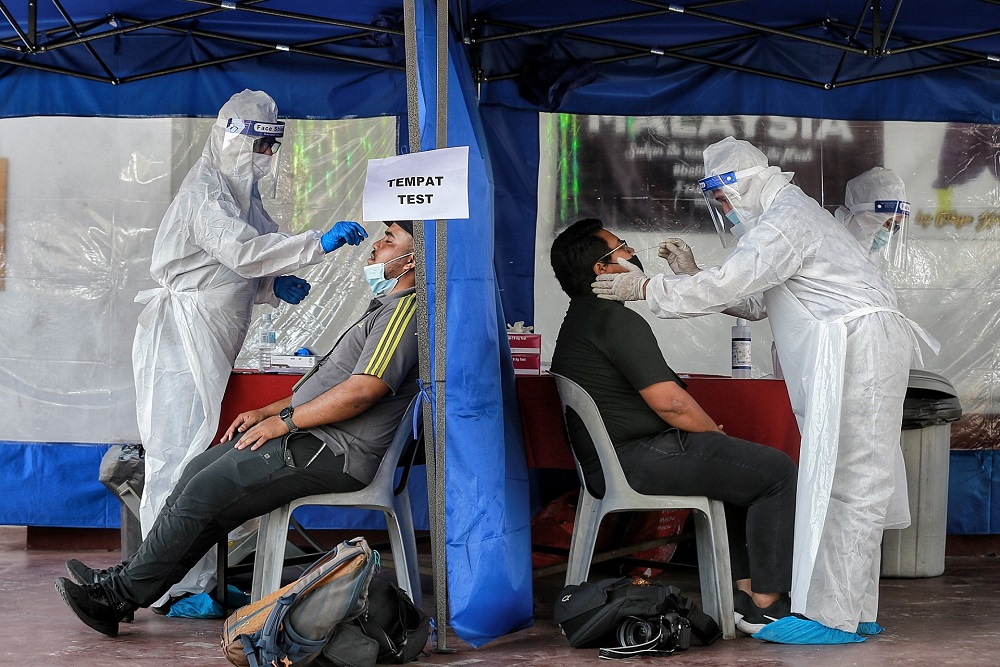
THE RULING ON COVID-19 SWAB TESTING FOR PERSONS WHO ARE FASTING
In accordance with the COVID-19 Management Guidelines implemented by the Ministry of Health Malaysia (MOH), the screening methods used to determine COVID-19-positive individuals are the Nasopharyngeal swab and the Oropharyngeal swab. The Nasopharyngeal swab method involves inserting a swab instrument into the individual's nasal cavity, reaching the nasopharyngeal region at a depth of approximately 4.8 cm for children and 8–12 cm for adults, in order to obtain a mucus sample. The Oropharyngeal swab method, meanwhile, involves inserting the swab instrument into the mouth as far as the oropharyngeal region — that is, the area behind the uvula — in order to obtain a mucus sample.
Having examined the relevant textual and juristic evidence on a comparative basis, the Perlis State Fatwa Committee has adopted the preponderant view (tarjih — the selection of the stronger opinion) that COVID-19 swab screening tests, as described above, do not invalidate the fast. Among the arguments and grounds relied upon in this matter are the following:
1. The swab test does not carry the meaning or characteristics of eating or drinking, which are the acts that invalidate the fast by scholarly consensus (ijma'). A fast that is certainly valid cannot therefore be deemed invalidated by something that is merely doubtful or speculative.
2. Treating the insertion of an object into al-Jauf (the internal body cavity) as, in itself, grounds for invalidating the fast has given rise to considerable divergence of opinion among the jurists of the various schools of law. The preponderant view — that the swab test does not invalidate the fast — accords with the position held by a number of Hanafi jurists, who stipulate that for something entering al-Jauf to invalidate the fast, it must remain lodged within the cavity and must not remain connected to something outside the body.
3. In further support of this position, the International Islamic Fiqh Academy (al-Majma' al-Fiqhi al-Islami), in its journal al-Majma' (10/453–455), has listed a number of medical procedures that do not invalidate the fast, including "the insertion of a gastroscope into the stomach without any accompanying fluid or similar substance."
If this is so, then it follows all the more that a swab test — which involves only the insertion of a swab instrument into the nasal cavity or mouth to obtain the required sample, followed by its withdrawal — likewise does not invalidate the fast.
Endorsed at the Meeting of the Perlis Islamic Religious and Malay Customs Council, No. 2/2020, held on 30 June 2020.
THE 46TH MEETING OF THE PERLIS STATE FATWA COMMITTEE / 2020
17 JUNE 2020 / 25 SYAWAL 1441
CONFIRMATION
(Circular Paper Dated 13 March 2020)
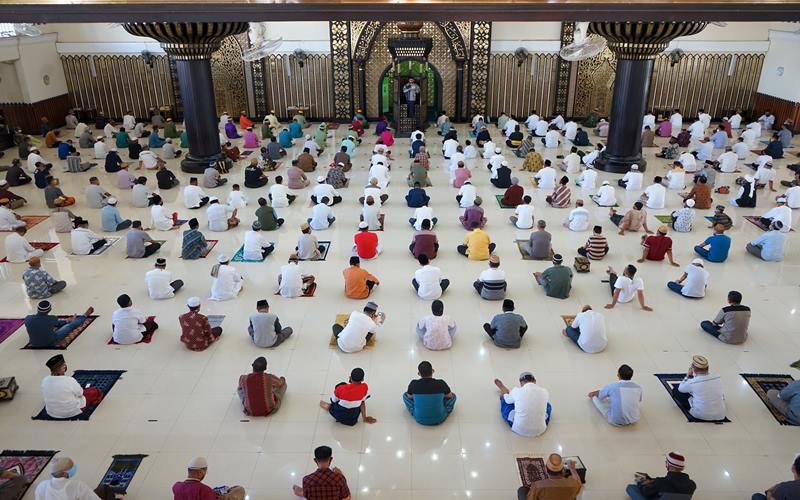
RESOLUTION OF THE PERLIS STATE FATWA COMMITTEE CONCERNING FRIDAY PRAYER ON 13 MARCH 2020, FOLLOWING THE SPREAD OF THE COVID-19 OUTBREAK
Upon receiving the views and advice of the Ministry of Health Malaysia concerning the prevailing developments relating to COVID-19 on 15 March 2020, the Perlis State Fatwa Committee agreed that Friday prayer throughout the State of Perlis on 13 March 2020 be replaced with the Ẓuhr prayer, to be performed in each person’s respective home.
This decision followed the latest developments as communicated by the Ministry of Health Malaysia. Accordingly, the Ministry advised that all large-scale gatherings, including religious activities, be avoided.
Muslim individuals are therefore advised to continuously take preventive measures in order to avoid the spread of the outbreak.
THE 35TH MEETING OF THE PERLIS STATE FATWA COMMITTEE / 2018
8 – 9 MARCH 2018 / 20 – 21 JAMADIL AKHIR 1439H
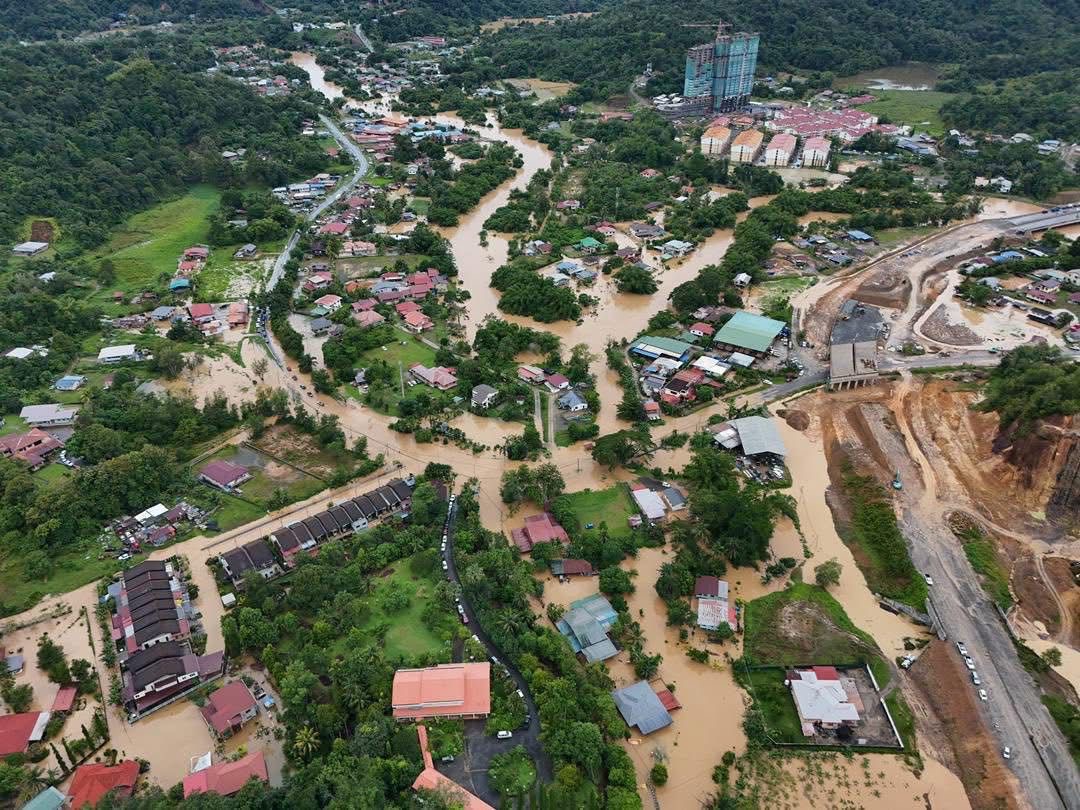
ZAKAT FOR DISASTER VICTIMS
The Meeting of the Perlis State Fatwa Committee unanimously agreed upon the following resolution:
1. Victims Housed in Temporary Shelters as a Result of Natural Disaster
Victims placed in temporary relief centres following a natural disaster, who are evidently in need of basic necessities such as food, drink, personal essentials, clothing, and the like, are entitled to receive zakat assistance to meet such needs. This provision extends to both Muslims and non-Muslims.
2. Victims Who Have Suffered Destruction of Property, Dwelling, or the Like
Victims who have suffered destruction of property, dwelling, or the like as a result of a disaster may receive zakat allocations where the disaster has resulted in hardship affecting the course of their daily life — such as giving rise to new debt burdens, or causing damage to essential living needs that imposes a burden, or any other encumbrance affecting the conduct of their livelihood. The zakat management authority may ascertain such circumstances through testimony and supporting evidence from the victim. Where a victim does not fall within this category, assistance may still be provided, without drawing upon the zakat portion.
As for victims from among the non-Muslim community, assistance may be given under the asnaf muallaf (new convert / those whose hearts are to be reconciled) category.
Endorsed at the Meeting of the Perlis Islamic Religious and Malay Customs Council, No. 2/2018, held on 15 March 2018.