
Fatwa's Insights - Worship
Fatwa On The Ruling Of Congregational Khatam Al-Quran Ceremonies
THE 41ST MEETING OF THE PERLIS STATE FATWA COMMITTEE / 2019
7 MEI 2019 / 2 RAMADHAN 1440H
FATWA ON THE RULING OF CONGREGATIONAL KHATAM AL-QURAN CEREMONIES
The definition of khatam al-Quran is reading the Quran from Surah al-Fatihah to al-Nas, whether with a ceremony or not.
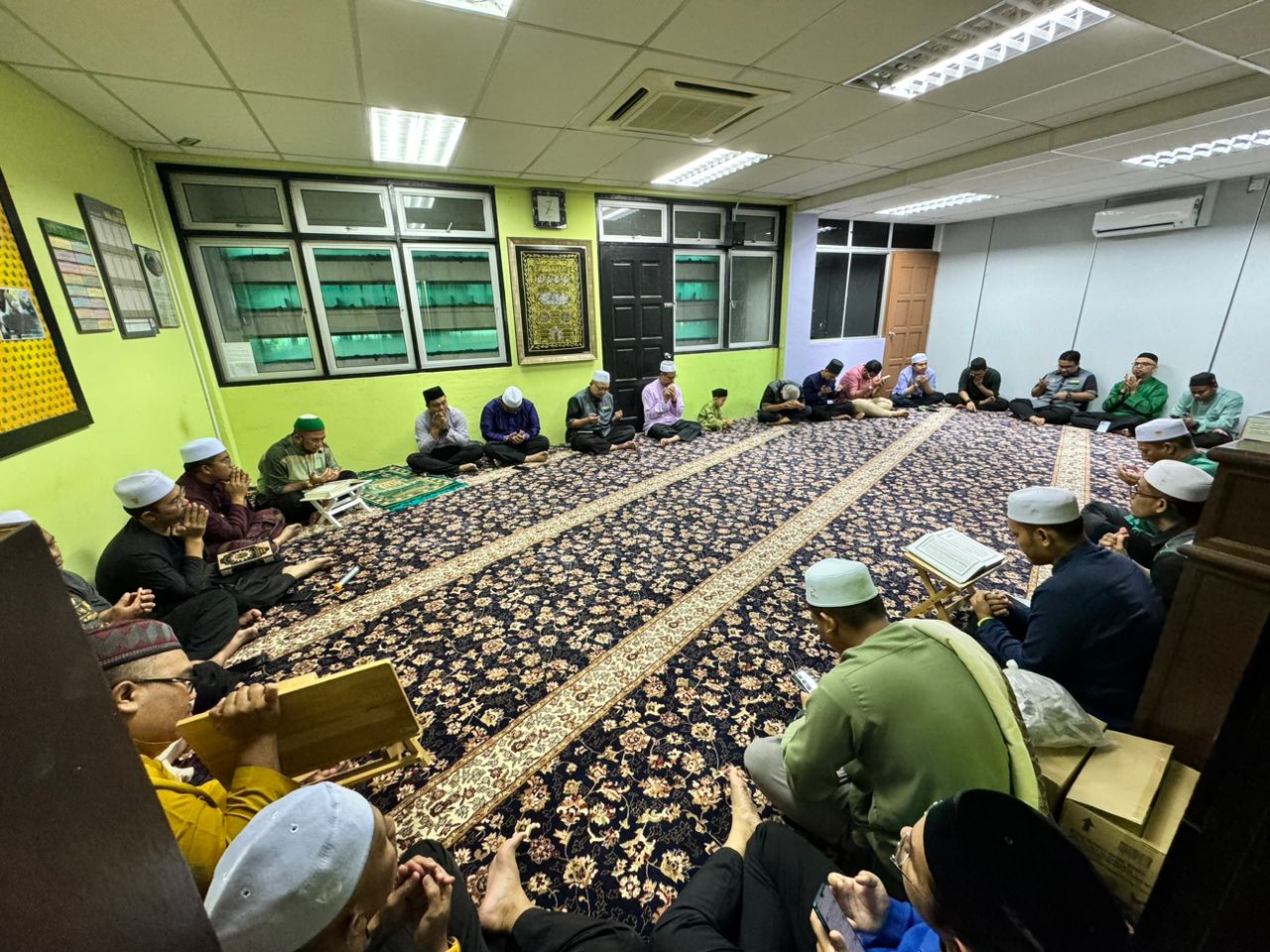
Gathering to read and study the Quran has support from the hadith of the Prophet SAW and is something that is encouraged. However, gathering for a khatam al-Quran ceremony does not have authentic narration that the Prophet SAW practiced it or commanded us to practice it. Nevertheless, there were among the salaf (predecessors) who practiced it.
Originally, khatam al-Quran does not require a ceremony because when someone reads the Quran from beginning to end, it means he has completed the Quran. However, if one wishes to establish a ceremony for a specific purpose, then the party wishing to organize a khatam al-Quran ceremony shall fulfill the following matters:
1. Not regarding khatam al-Quran as requiring a khatam al-Quran ceremony. If anyone reads the entire Quran without organizing a khatam al-Quran ceremony, it does not diminish the reward of his recitation.
2. No fixed time, procedure, wirid, or special supplication; any appropriate supplication may be recited while fulfilling the etiquettes of supplication.
3. A khatam al-Quran ceremony does not necessarily require the provision of food and certain decorations. Likewise, there is no special merit in preparing specific food such as preparing yellow glutinous rice. However, if it is prepared without any particular belief, merely as ordinary food, it is permissible.
4. The assembly does not lead to ostentation or displaying righteous deeds to the public that one has completed khatam al-Quran; rather, it serves merely as encouragement.
5. The gathering aims solely to encourage Quran recitation and learning correct recitation.
6. Attending a khatam al-Quran ceremony does not mean that someone has obtained the reward of reading the entire Quran if he himself has not read the entire Quran.
7. Ensuring that every person who recites observes the rules of tajwid, especially those related to the rules of stopping (waqaf) and beginning (ibtida'). If reciting together simultaneously may cause violations in the rules of tajwid, then it shall be avoided. The best method is to have parties who recite while others listen and review it in turns.
8. The ceremony does not disturb others with the recitation, especially in the mosque or in places designated for other matters such as when learning sessions are ongoing at school.
Resolved at the Meeting of the Majlis Agama Islam dan Adat Istiadat Melayu Perlis No. 4 of 2019 convened on 27 June 2019.