
Fatwa's Insights - Aqidah
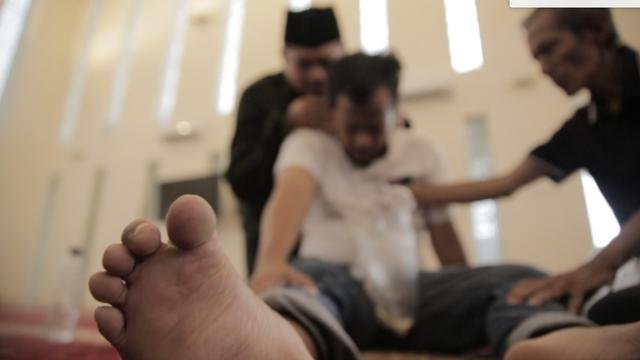
Guidelines For Incantation
THE 63RD MEETING OF THE PERLIS STATE FATWA COMMITTEE / 2023
23 - 24 JULAI 2023 / 5 - 6 MUHARRAM 1445H
GUIDELINES FOR INCANTATION
1. It must be free from any matter that can corrupt the creed, such as words and actions that contain elements of shirk and kufr.
2. Performing incantation with verses of the Qur'an, or the names and attributes of Allah SWT, or performing incantation with supplications taught in the Sunnah, or with any recitation and action that does not contradict the teachings of Islam.
3. Having conviction that incantation cannot produce effects by itself. The true healing is from Allah SWT.
4. If the incantation is from verses of the Qur'an written on sheets to be drunk or poured, then it must be written using clean materials and sheets as a means of preserving the sanctity of the Qur'anic verses.
5. A practitioner of the opposite gender must not be secluded in privacy without the presence of a mature mahram or other parties who can prevent fitnah.
6. If the practitioner places hands upon the body or limbs of the patient, there must not occur matters prohibited by Shariah, such as the occurrence of physical contact between those who are not mahram or the exposure of 'awrah except in cases of necessity.
7. If the incantation involves Qur'anic verses or ma'thur recitations, it must be ensured that their pronunciation is articulated correctly
8. The practitioner must not be among those who manifest actions or characteristics that contradict Shariah, such as wearing crosses, hanging prohibited amulets, or displaying elements of shirk.
9. Not using materials that are prohibited according to Shariah, such as impurities, alcohol, stolen goods, or symbols of shirk and kufr.
10. A practitioner must not be involved in the following matters:
- Not imposing fees that are unclear and uncertain that may cause one party to feel cheated.
- Making accusations against other parties without evidence accepted according to Shariah due to believing in the information of jinn and devils.
- Pitting humans against one another with assumptions that cannot be proven.
- Disclosing the patient's faults to other parties unless there is a need, such as for court proceedings or the like.
Attendance of Members of the Perlis State Fatwa Committee:
1. YBhg. S.S Professor Dato' Arif Perkasa Dr Mohd Asri Bin Zainul Abidin – Mufti of Perlis
2. Sahibul Fadhilah Ustaz Tajul Urus bin Abdul Halim – Deputy Mufti of Perlis
3. Sahibul Fadhilah Dato' Dr. Johari bin Mat
4. Sahibul Fadhilah Professor Dr. Muhamad Rozaimi bin Ramle
5. Sahibul Fadhilah Professor Dr. Basri bin Ibrahim
6. Sahibul Fadhilah Dr. Hj Zaharuddin Bin Hj Abdul Rahman
7. Sahibul Fadhilah Professor Dr. Azman Bin Mohd Noor
8. Sahibul Fadhilah Associate Professor Dr. Mohd Akram Bin Dato' Dahaman @ Dahlan
9. Sahibul Fadhilah Dr. Kamilin bin Jamilin
10. Sahibul Fadhilah Associate Professor Dr Ahmad Wifaq Bin Mokhtar
11. Sahibul Fadhilah Ustaz Syed Abu Bakar Bin Syed Kamal Bharin
12. Sahibul Fadhilah Dr. Muhammad Lukman Bin Mat Sin
13. Ustaz Muhammad Khidhir Bin Abdul Ghani – Secretary
RESOLVED at the Meeting of the Majlis Agama Islam dan Adat Istiadat Melayu Perlis Bil. 5/2023 on 2 October 2023.